

Wide leg jeans are the pair so many of us reach for with hope and put back with doubt. They feel wonderful in the fitting room, all that ease and movement, and then the mirror at home says something else: shorter, wider, lost in denim. The jeans are rarely the problem. Wide legs are one of the most comfortable and current shapes in denim right now, part of the broader return of relaxed, vintage inspired cuts we covered in our guide to fashion trends making a massive comeback. What decides whether they flatter is fit and proportion, and both are fixable with a few clear rules.
The short answer: wide leg jeans swamp you when the volume has nothing to balance it. Choose a high rise that sits at your natural waist, hem them for one shoe height, and keep tops fitted, tucked or cropped to the waistband. Pointed or slim shoes finish the line. Get those four things right and the jeans do the flattering.
Why Wide Leg Jeans Suit This Stage of Life
There are honest reasons this cut keeps winning women over. Nothing clings to the knee or calf, and the fabric moves when you do. A high, structured waistband sits smoothly over the middle instead of cutting into it the way a low rise does. And because the leg falls in one clean line from the hip, the shape reads elegant rather than casual when the styling is right. The goal of this guide is simple: keep all of that comfort, and remove the swamped feeling that puts so many pairs back on the rail.
Start With the Fit: The Pair Itself
Styling cannot rescue the wrong pair, so start here, whether you are shopping or judging a pair you already own.
Rise: high, and at your natural waist
Look for a rise that reaches your natural waist, roughly at or just above the navel. This does three jobs at once. It gives tops something clean to tuck into, it lengthens the leg line, and it holds the middle smoothly. A mid rise that stops at the widest point of the tummy tends to fight every top you own. If you only change one thing about the jeans you buy, make it the rise.
Width: wide, not the widest on the rail
Wide leg covers a range, from a gentle A line flare to a very full trouser leg. The most wearable versions fall straight from the hip with a clean, moderate width. If the hem is dramatically wider than your thigh, the fabric starts to behave like a skirt and takes your shape with it. In the fitting room, stand sideways: the leg should fall in one smooth line from hip to hem, not billow out and come back in.
Length: hem for one shoe height
This is the rule experienced stylists repeat, and it is the one most of us skip. A full length wide leg should just clear the ground at the back in the shoes you will wear most, covering most of the shoe. Decide which shoe height that is, flats or heels, and hem for that pair. Jeans hemmed for heels will puddle and drag in flats, and jeans hemmed for flats look cut short with heels. If you wear both often, two pairs at two lengths serve you better than one compromise. Ask the tailor to keep the original hem on faded jeans; it keeps the finish looking natural. Cropped wide legs are the exception: they should end at the slimmest point of the ankle, never mid calf, where they shorten the leg.
Fabric and wash
Fabric decides how the volume behaves. A medium weight denim with a little drape falls close to the body and moves well. Very stiff, heavy denim stands away from the leg and adds visual bulk. A small amount of stretch adds comfort without the jeans bagging out by lunchtime. On wash, dark indigo and clean black are the most polished and the easiest to dress up. Lighter washes read more casual and show creases sooner. Neither is wrong; just know which job you are buying the pair to do.
The One Proportion Rule That Stops the Swamped Look
Here is the whole secret, and it fits in one sentence: volume on the bottom needs definition at the waist and a quieter top. When a wide leg meets a long, loose top, the waist disappears, and the eye reads the whole silhouette as one wide column. That is the swamped look, and it is about the combination, not your body.
In practice, aim for a shorter top half and a longer bottom half. A top that ends at the waistband, or tucks into it, lets the jeans start the leg at the highest point, which is what makes legs look long.
Tops That Balance Wide Leg Jeans
- Fitted T-shirts and fine knits: a tee or knit that sits close to the body, tucked in fully, is the everyday answer. Close fitting does not mean tight; it means the fabric follows your shape instead of adding its own.
- The front tuck: if a full tuck feels like too much, tuck just the front center of a shirt or sweater and let the sides fall. It marks the waist while keeping the relaxed feel, and it is forgiving around the middle.
- Button down shirts: wear them tucked, or open over a fitted camisole or tee. Rolled sleeves and a couple of open buttons at the neck keep the look easy.
- Shorter jackets: a blazer, denim jacket or moto that ends at the waist or high hip balances the leg beautifully. Long, loose cardigans worn open over wide legs are the classic swamp maker; if you love one, belt it or choose a fitted layer underneath and keep the jeans’ waistband visible.
- Belts: if the jeans have loops, use them. A belt in leather or a contrasting texture confirms where the waist is and makes a simple outfit look finished.
A note on bulky knits: a chunky sweater can work if it is cropped to the waistband or front tucked. A long, chunky one worn loose is two volumes competing, and the outfit loses.

Shoes: The Hem’s Partner
Shoes and hem length work as a team, so choose them together.
- Pointed flats and loafers: a pointed toe extends the leg line past the hem, and loafers add the polish that keeps wide legs looking intentional. Slim shapes work; very chunky soles fight the hem.
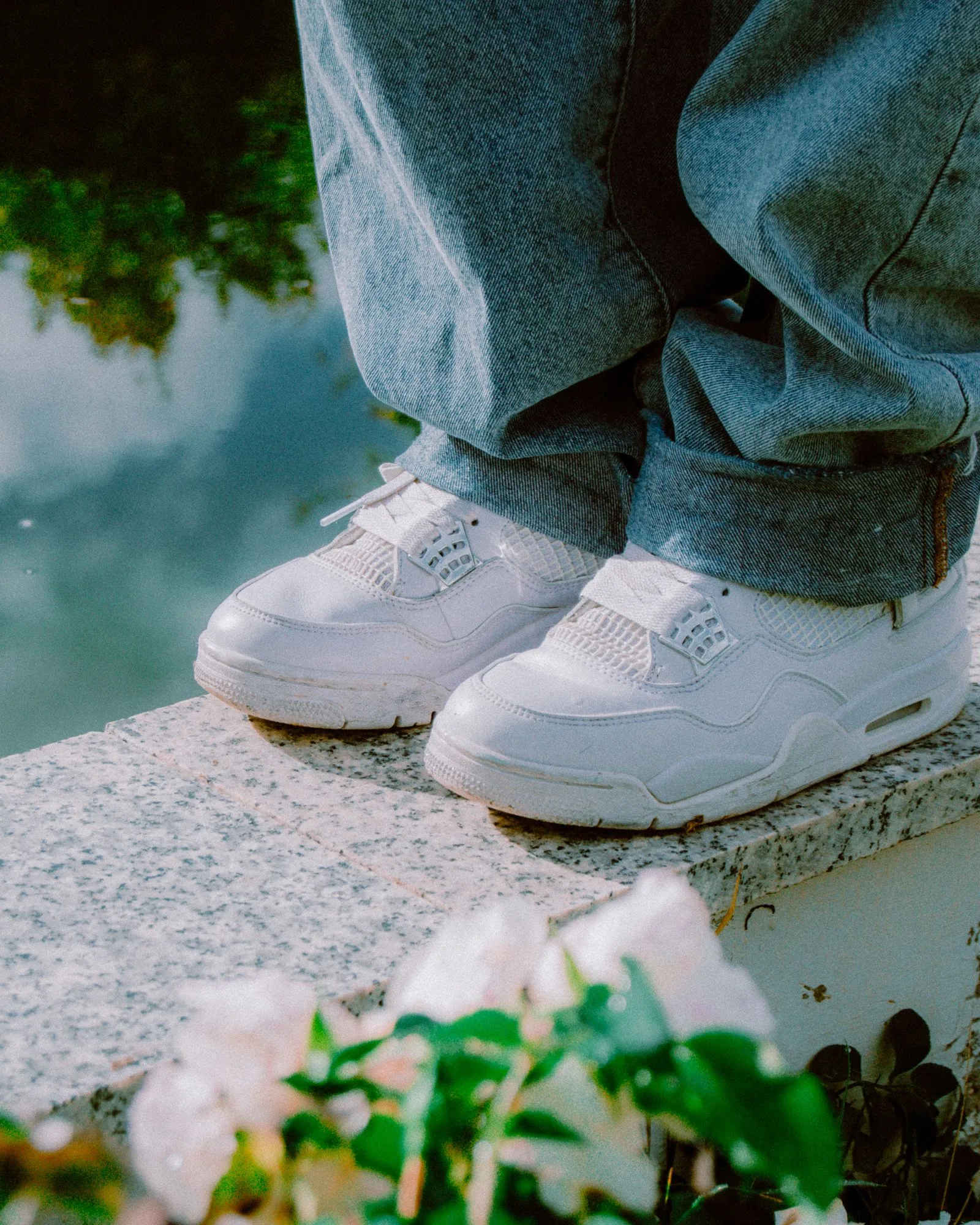
- Low profile sneakers: clean, simple sneakers in white or a neutral are the casual default. The hem should touch the top of the shoe, not swallow it or break in folds over it.
- Block heels and wedges: comfortable height that suits a longer hem, and stable in a way stilettos are not under a wide hem. A slim heel can disappear under the fabric and catch; a block heel holds its own.
- Boots: wide leg jeans with boots is the cold weather combination worth mastering. The rule is that the boot shaft should disappear under the hem, so choose slim ankle boots or taller boots with a close fitting shaft, and let the jeans fall over them. Pointed or almond toes keep the line long. This is also where a darker wash earns its keep, with the knit and coat styling we gathered in our fall and winter fashion trends guide.
- Sandals: in summer, a sandal with a little structure or a low wedge supports the look better than the thinnest flat, which can leave a full length hem dragging.
Wide Leg Is Not the Same as Baggy
The two get confused, and the difference matters. Wide leg jeans are fitted through the waist and hip, then fall wide from the thigh. Baggy jeans are loose everywhere, including the seat and the waistband, and they pool and fold rather than fall. If you enjoy the relaxed mood of baggy denim, our guide to 80s baggy jeans and how to style them shows how to wear that shape well. But if the goal is polished, the fitted waist of a true wide leg is what does the work. When a pair looks swamped, check the waist and seat first: fabric bunching there is a baggy fit problem, not a styling problem.
Five Wide Leg Jeans Outfits That Work
- The polished everyday: dark indigo wide legs, a white button down shirt tucked in, a tan belt, pointed loafers. Works for lunch, errands that turn into meetings, and most smart casual rooms.
- The soft knit formula: a fitted fine knit or mock neck in a color you love, full length wide legs, slim ankle boots under the hem. Add a blazer that ends at the waist when you need structure.
- The weekend Breton: a striped long sleeve tee, front tucked, light or medium wash wide legs, clean white sneakers. Fresh, simple, and endlessly repeatable.
- The winter column: black wide leg jeans, a fitted black turtleneck, a shorter coat or cropped jacket, pointed boots. One color from top to toe is the longest line you can build.
- The evening version: dark wide legs, a silk or satin blouse tucked in, block heel sandals or pumps, one piece of jewelry you enjoy. The fabric contrast does the dressing up; the jeans stay the same.
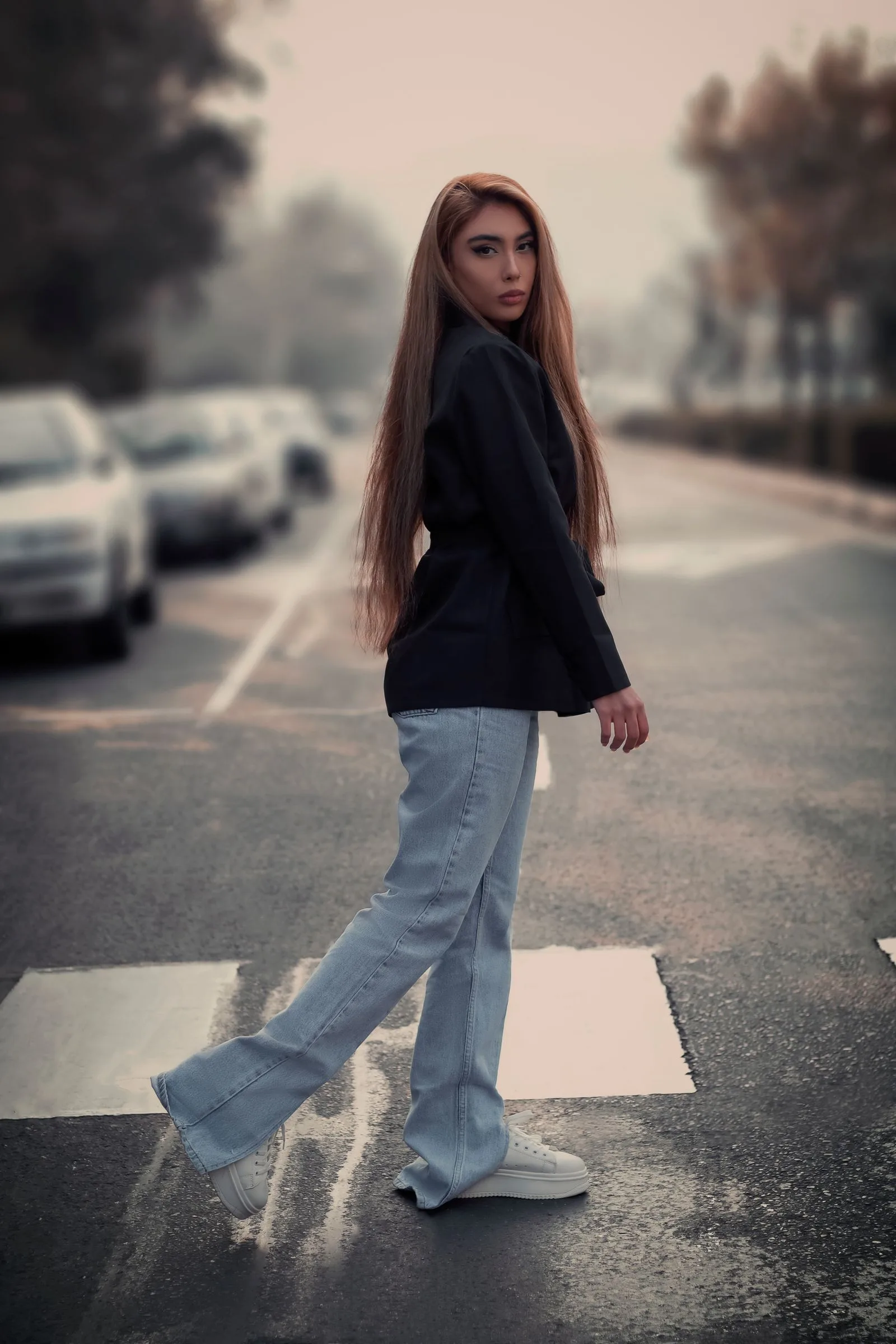
Notice what all five share: the waist is marked, the top is calm, and the shoe suits the hem. Build your own versions on the same frame. If you are simplifying your closet generally, our guide to building a minimalist wardrobe without looking boring shows how a pair like this earns its place among a small set of hardworking pieces.
Small Adjustments by Frame
- Petite: keep the rise high and the width moderate, choose full length over cropped unless the crop ends exactly at the ankle bone, and favor a small heel, wedge or pointed flat. A monochromatic top-and-jeans combination, or tones close to each other, lengthens further.
- Curvy hips and thighs: look for a contoured waistband that does not gap at the back, fabric with drape rather than stiffness, and a leg that falls straight from the widest point instead of clinging there. Darker washes and a defined waist do the balancing.
- Straighter through the middle: a high rise with a belt, a wrap style top or a peplum that ends at the waistband creates the definition. Avoid very long tops that hang from the bust to the hip in one straight fall.
- Tall: you can carry the fullest widths and true cropped lengths. Keep the same waist rule and enjoy the drama of the full length pair with heels.
Already Own a Pair That Looks Wrong? Fix It in This Order
- Check the hem in your real shoes. Puddling fabric is the most common cause of the swamped look, and hemming is the cheapest fix.
- Check the rise. If the waistband sits well below your natural waist, styling will always fight it; a tailor cannot raise a rise, so this pair may be a return or a resale.
- Change only the top. Try the same jeans with a fitted, tucked tee and a belt before judging the jeans themselves.
- Change only the shoe. Swap trainers for a pointed flat or a boot and look again; the hem line changes the whole read.
- Check the seat. If fabric bunches or sags at the back, the pair is baggy, not wide leg, and no top will fix that.
Common Mistakes That Create the Swamped Look
- A long, loose top worn untucked: the waist disappears and the whole outfit reads as one wide column.
- Hem puddling over the shoe: dragging fabric shortens the leg and looks unfinished, whatever the top.
- Too much width everywhere: the widest leg, the chunkiest shoe and the bulkiest knit at once. Choose one volume and let it be the jeans.
- Cropped hems ending mid calf: the widest point of the calf is exactly where the eye stops, and the leg looks shorter for it.
- Skipping the belt on a tucked top: the waistband line is there; finishing it takes ten seconds and changes the outfit.
Frequently Asked Questions
Can petite women wear wide leg jeans?
Yes, with the fit rules tightened: a high rise, a moderate width rather than the fullest leg, a full length hem, and a pointed flat, small wedge or low heel. Keep the top tucked or cropped to the waistband.
What tops should I avoid with wide leg jeans?
Long, loose tops worn untucked are the main one, because they hide the waist and merge with the leg’s volume. Oversized shirts and chunky knits can still work if they are front tucked, belted or cropped to the waistband.
Are wide leg jeans appropriate for the office?
In most smart casual workplaces, yes. Choose a dark wash or black, a clean finish with no distressing, a tailored top or blazer, and loafers or block heels. Styled this way, they read as wide leg trousers.
Wide leg or straight leg after 40: which is more flattering?
Neither wins outright; they do different jobs. Straight legs are the safer, quieter line and suit almost every top. Wide legs give more movement and a stronger fashion note, and they flatter when the waist is defined and the hem is right. Many women keep one of each and choose by mood and shoe.
How do I stop wide leg jeans dragging in the rain?
Wear the pair hemmed for your heeled shoes on wet days, or choose the cropped ankle length with boots whose shaft sits under the hem. A hem that just clears the ground in the day’s shoes is the real fix; cuffs on wide legs add bulk and rarely stay put.
The Bottom Line
Wide leg jeans do not swamp you; unbalanced outfits do. A high rise at the natural waist, a hem set for one shoe height, a top that shows the waistband, and a shoe that keeps the line going: that is the whole formula, and it works with the jeans already hanging in most wardrobes. Start with the pair you own, fix the hem, tuck the top, and look again before you buy anything new.
Love denim advice that respects real bodies and real mornings? Follow Sizzling Magazine on Facebook for daily style ideas, outfit formulas and honest fashion guidance for women over 40.

Akif is the founder and editor of Sizzling Magazine, a women’s lifestyle magazine covering beauty, fashion, travel, food, and wellness. Publishing since 2012, he curates practical skincare routines, honest beauty advice, and wearable fashion trends for real women — with a soft spot for old-school home remedies that actually work. Sizzling Magazine is where grandma’s beauty wisdom meets modern trends.



Leave a Reply