

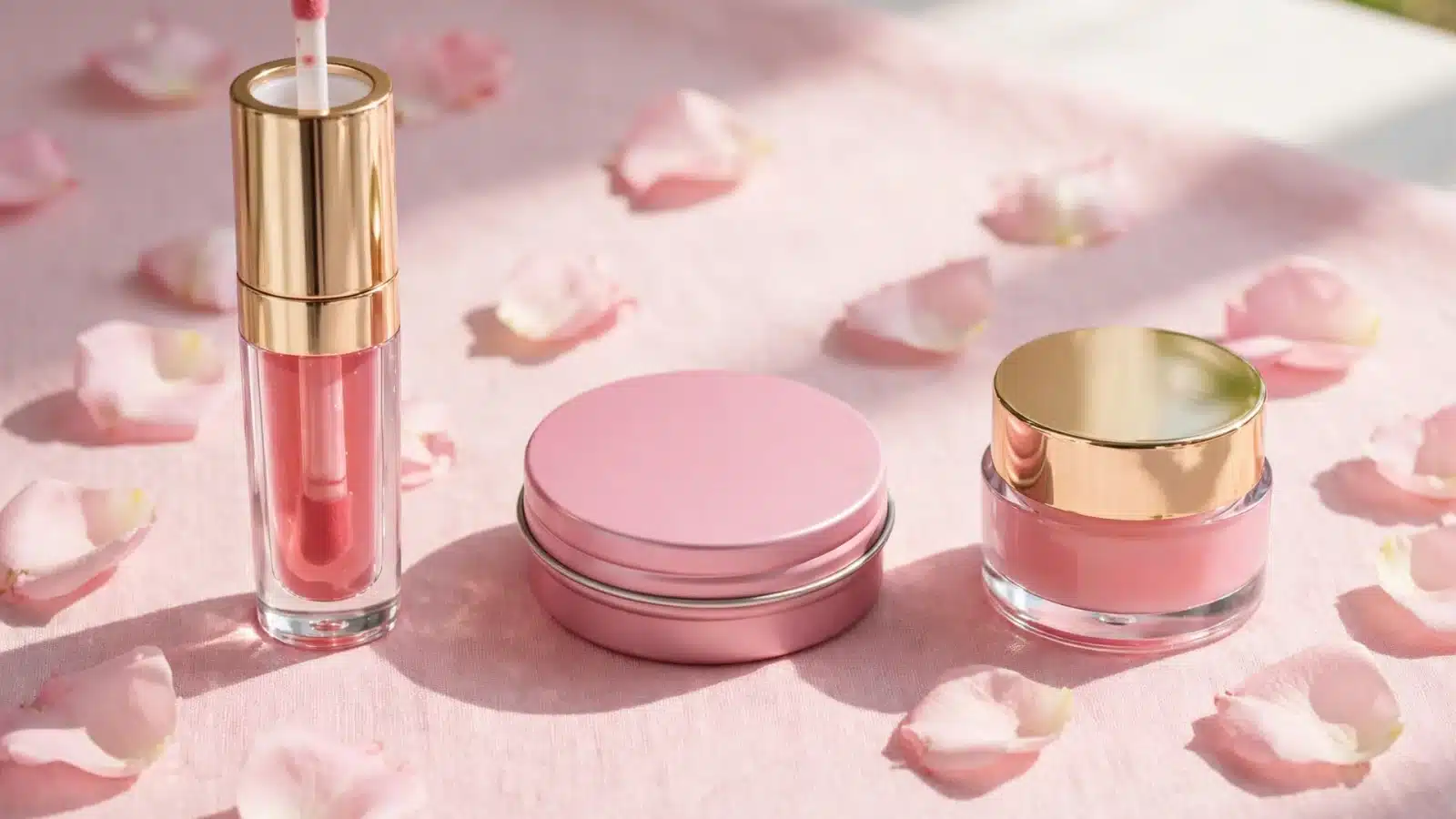
Stand in any beauty aisle today and your lips have more options than your face does: lip oils, lip balms, lip masks, lip butters, lip glosses that promise care. They all promise soft lips — but they’re not the same product, and using the wrong one at the wrong time is why your lips may still feel dry. Here’s the honest breakdown of lip oil vs lip balm vs lip mask, and how to build a simple routine that uses each one where it shines.
Why Lips Need Special Care
Your lips have no oil glands of their own and the skin is much thinner than the rest of your face. That means they lose moisture fast — to cold air, sun, indoor heating, even breathing through your mouth at night. Every lip product exists to solve that moisture problem, but each solves a different part of it.
The Three Products, Explained
Lip balm is the protector. Usually wax-based (beeswax, candelilla) with butters and oils, it forms a barrier on the lips that slows moisture loss. Balm doesn’t add much moisture itself — it seals in what’s there. It’s your daily shield, especially outdoors.
Lip oil is the nourisher. Made of plant oils like jojoba, squalane, or sweet almond, it sinks in rather than sitting on top, softening and adding a glossy, healthy shine. Think of it as skincare-meets-gloss: lighter than balm, more treatment than a tint.
Lip mask is the deep treatment. Thicker and richer than both — often with honey, shea butter, lanolin, or ceramides — a lip mask is worn for a longer stretch, usually overnight, to deeply condition lips that are dry, flaky, or cracked.
Side by Side: Lip Oil vs Lip Balm vs Lip Mask
| Lip oil | Lip balm | Lip mask | |
|---|---|---|---|
| Texture | Light, glossy, non-sticky | Waxy, solid or creamy | Thick, rich, cushioning |
| Purpose | Nourish and add shine | Protect and seal moisture | Deep repair treatment |
| When to use | Daytime, over or under lipstick | Throughout the day, outdoors, before bed | Overnight, or 10–15 min before makeup |
| Best for | Normal to mildly dry lips wanting a glow | Daily protection, wind and cold | Very dry, flaky, or chapped lips |
| Finish | Glossy, juicy | Natural to satin | Rich, balmy |
The Simple Lip Routine That Uses All Three
You don’t need all three every day — but used in the right order, they work beautifully together:
Step 1: Exfoliate gently (1–2 times a week)
Buff away flakes with a soft lip scrub so products can actually reach your lips. Our favourite: a homemade honey and sugar scrub that doubles as a mask — kind, cheap, and it works.
Step 2: Mask for deep repair (nightly or as needed)
On clean lips before bed, apply a generous layer of lip mask. While you sleep, it softens flakes and conditions deeply, so you wake up with smoother lips.
Step 3: Balm for protection (morning + through the day)
After your morning cleanse, layer balm — ideally one with SPF during the day — and reapply after eating or whenever lips feel exposed.
Step 4: Oil for the finish (whenever you want the glow)
Use lip oil alone for a fresh no-makeup look, or tap it over lipstick for shine without stickiness. It nourishes while it beautifies.
Common Lip Care Mistakes
- Licking your lips. Saliva evaporates and leaves lips drier than before. Reach for balm instead.
- Applying balm to bone-dry lips only. Balm seals in moisture — it works best applied right after drinking water or on slightly damp lips.
- Scrubbing every day. Over-exfoliating thins delicate lip skin and creates the very dryness you’re fighting. Once or twice a week is enough.
- Ignoring SPF. Lips can burn and age from sun exposure like any skin. Daytime balm with SPF 15 or higher is a small step with big payoff.
- Expecting one product to do everything. A mask can’t protect you in cold wind; a balm can’t deep-repair overnight. Match the product to the job.
So, Which Do Your Lips Actually Need?
Mostly fine, want glow: lip oil alone will make you happy.
Outdoors a lot, lips dry by midday: balm is your non-negotiable, reapplied often.
Flaky, cracked, nothing seems to work: start with a mask at night for a week, then maintain with balm.
All of the above at different times: you’re most of us — the little routine above covers it.
Frequently Asked Questions
Can lip oil replace lip balm?
For mildly dry lips in mild weather, often yes. But oil absorbs rather than sealing, so in cold, wind, or very dry air, balm’s protective barrier does a job oil can’t.
How often should I use a lip mask?
Two to three nights a week suits most people; nightly is fine during winter or when lips are very chapped. A thin layer is enough — more product isn’t more effective.
Why do my lips still feel dry after using balm all day?
Usually one of three reasons: flakes are blocking absorption (exfoliate gently first), the balm went onto completely dry lips (apply after water or a damp pat), or you’re licking your lips between applications.
Is a DIY mask as good as a store-bought lip mask?
For basic softening, a simple honey-based DIY mask performs surprisingly well and costs almost nothing. Store-bought masks add ingredients like ceramides and lanolin for stubborn, cracked lips. Many readers rotate both.
Can I wear lip oil over lipstick?
Yes — tap it on with a fingertip rather than dragging the applicator, which keeps your lipstick colour in place while adding shine.
Love simple beauty routines that actually work? Follow Sizzling Magazine on Facebook for daily beauty reels — including our famous honey lip routine.

Akif is the founder and editor of Sizzling Magazine, a women’s lifestyle magazine covering beauty, fashion, travel, food, and wellness. Publishing since 2012, he curates practical skincare routines, honest beauty advice, and wearable fashion trends for real women — with a soft spot for old-school home remedies that actually work. Sizzling Magazine is where grandma’s beauty wisdom meets modern trends.




Leave a Reply