

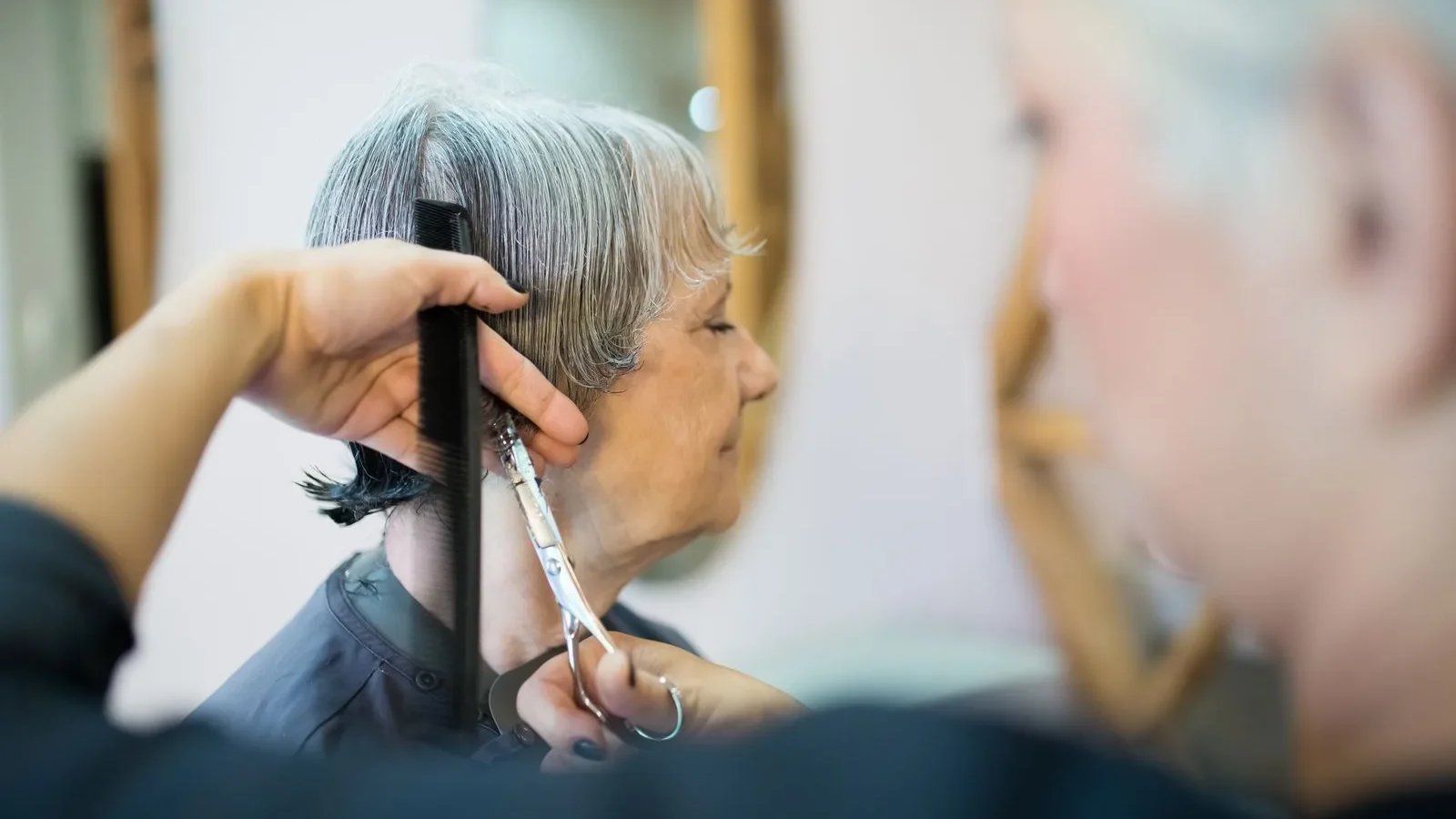
The short answer: the cuts that most often make thin hair look fuller after 40 are structured shapes with blunt ends and lift at the crown: a textured pixie, a blunt or layered bob, a collarbone lob with soft layers, or a modern shag. Longer lengths and heavy layering tend to work against thinning hair, though the right choice always depends on your own density, texture and how much styling you enjoy doing.
If your ponytail feels thinner than it used to, you are not imagining it, and you are far from alone. Hair changes as we age, and for many women the forties are when it shows first: a part that looks a little wider, ends that turn wispy sooner, a crown that will not hold lift past lunchtime. None of that means you are out of options. It means the rules change. Styles that worked on thicker hair at 30 can make thinning hair look sparse at 45, while the right shape can make the hair you have look noticeably denser from the first day.
This guide walks through 12 cuts that work well on thinning hair, grouped by length, plus colour tricks, a short daily routine and the stylist conversation that make the difference between a cut that looks full and one that falls flat by noon. Before the list, two short sections on what is happening to your hair, because they decide which cuts will help you most.
Three terms that are not the same thing
Fine hair, low density and thinning hair are often used as if they were one problem. They are not, and the fixes differ.
- Fine hair describes the thickness of each individual strand. Fine strands are narrow. You can have a great deal of fine hair, and many women do.
- Low density describes how much hair covers your scalp: fewer strands over the same area, whatever their thickness. Coarse hair can be low density, and fine hair can be high density.
- Thinning hair describes a process: hair that is becoming less dense over time, so coverage reduces compared with how it used to be.
This article is mainly about thinning hair and the look of low density, because that is what changes for many women after 40. Where a tip depends on strand thickness rather than coverage, it says fine hair, because fine strands need lighter products and gentler handling than coarse ones.
Why hair looks thinner after 40
Two changes often overlap in midlife. The first is coverage: many women gradually have less hair over the scalp than they used to, so the part looks wider and the scalp shows through sooner in bright light. The second is the strands themselves: many women notice their hair feels finer and less substantial than it was at 30. The American Academy of Dermatology (AAD) describes female pattern hair loss as the most common cause of hair loss in women; it often begins with a widening part and can start in a woman’s 40s, 50s or 60s.
Two cautions belong here. First, gradual change is a normal part of ageing for many women, and noticing that your hair has changed is not a diagnosis of anything. Second, ordinary ageing does not explain every case of thinning. Hair can thin for many reasons, and only a dermatologist can say which kind of thinning you have, if any. A hairstyle also cannot change how much hair you have, and this article will not pretend otherwise. What a good cut can do, honestly and immediately, is change how much hair you appear to have: where the eye sees density, where light catches movement, and where the scalp stops showing through. If your thinning is sudden, patchy or fast, skip to the section near the end on when to see a dermatologist, because that kind of change deserves a medical answer first.
How to choose from the 12 cuts
Three questions narrow the list fast. Where is your hair thinnest: the crown, the part line, or the ends? How many minutes will you honestly spend styling on an ordinary morning? And what is your texture: straight, wavy or curly, fine strands or coarse? The notes under each cut flag these points, because the best cut on paper is only the best cut if it fits your hair and your life. Face shape notes are included as a starting point, not a rule; density, texture and preference matter more.
Short cuts that build volume where you need it
1. Textured pixie with a longer top
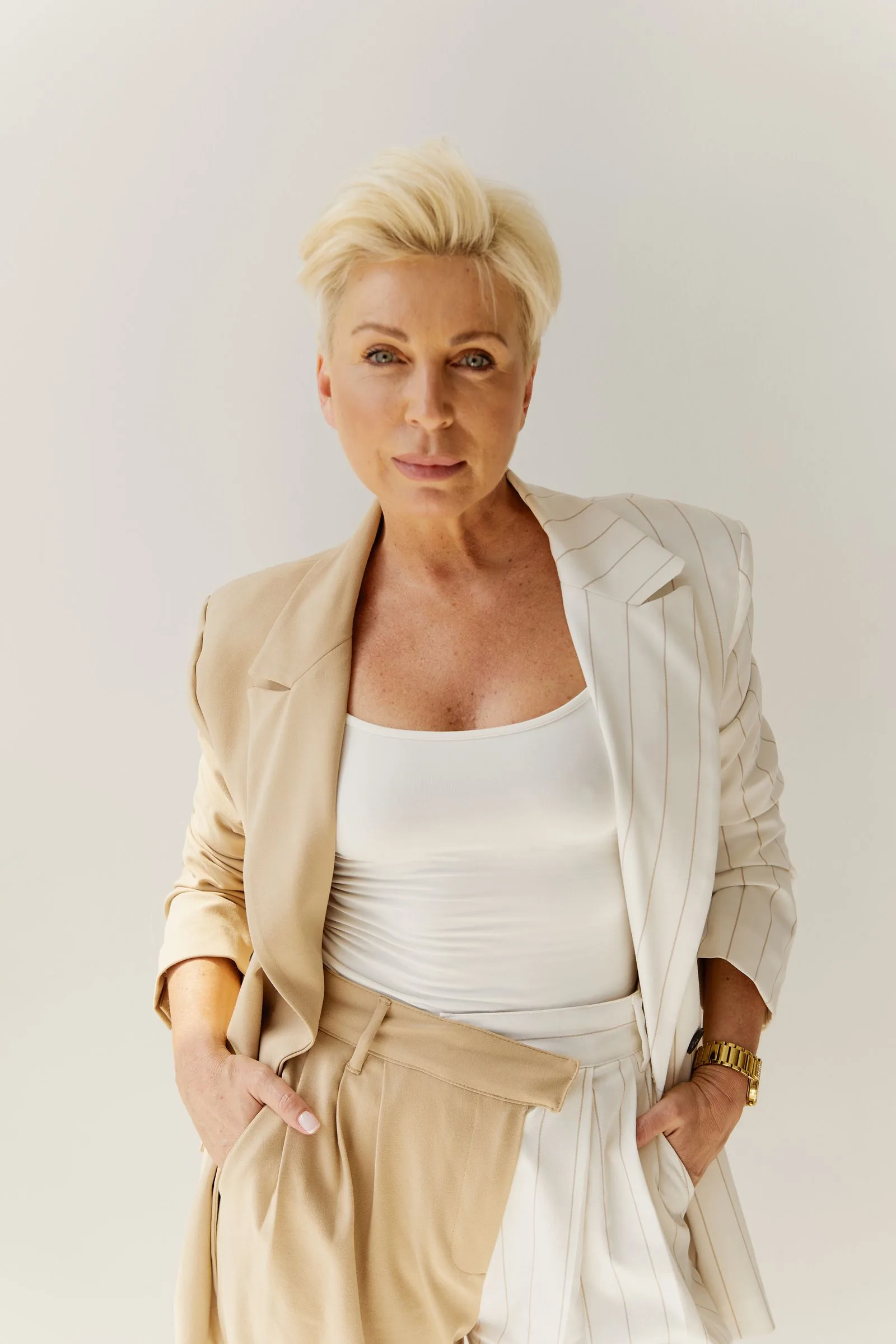
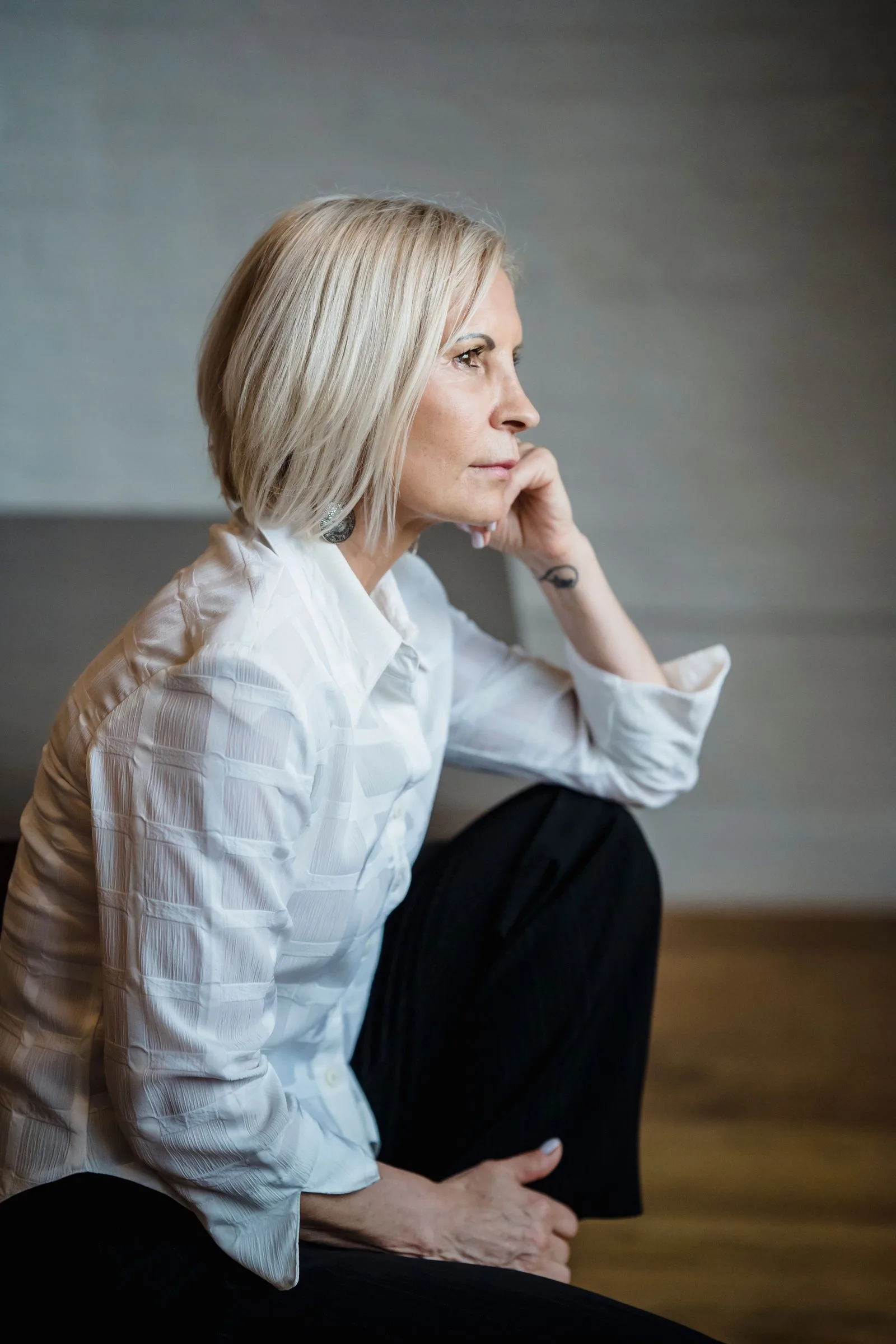
The pixie is one of the hardest working cuts for thin hair. Short sides remove weight, while longer, choppy layers on top can be pushed up and forward, building height at the crown and covering the area where thinning usually shows first. It often flatters oval, heart and square faces, and day to day it is the quickest style in this guide: a fingertip of lightweight styling paste and you are done. The trade off is salon time, not styling time. Short shapes lose their line fastest as they grow out, so expect a tidy up trim roughly every 4 to 6 weeks to keep a pixie looking deliberate rather than grown out. Ask for the top to stay long enough to sweep; a pixie cut very short and even can look severe, and if you dislike very short hair, the bixie below is the gentler step.
2. The bixie
Half bob, half pixie, the bixie keeps a little length around the face and neck while taking weight out of the back and crown. The layered top gives movement, and the slightly longer front keeps it soft. It works well on fine hair that is straight or slightly wavy, and it is a good first move shorter for women who are not ready for a full pixie.
3. Short crop with volume on top
A short crop keeps the sides and back tidy and leaves the length where it counts, on top. Styled upward with a blow dry and a root lifting spray, it gives thin hair a deliberate shape. It is a good match for women whose thinning is most visible at the crown, because the styling direction covers it through the day. Like the pixie, it asks for regular salon visits to keep its line, which the trim notes below cover.
Bobs and lobs: the sweet spot for many women
4. Blunt bob
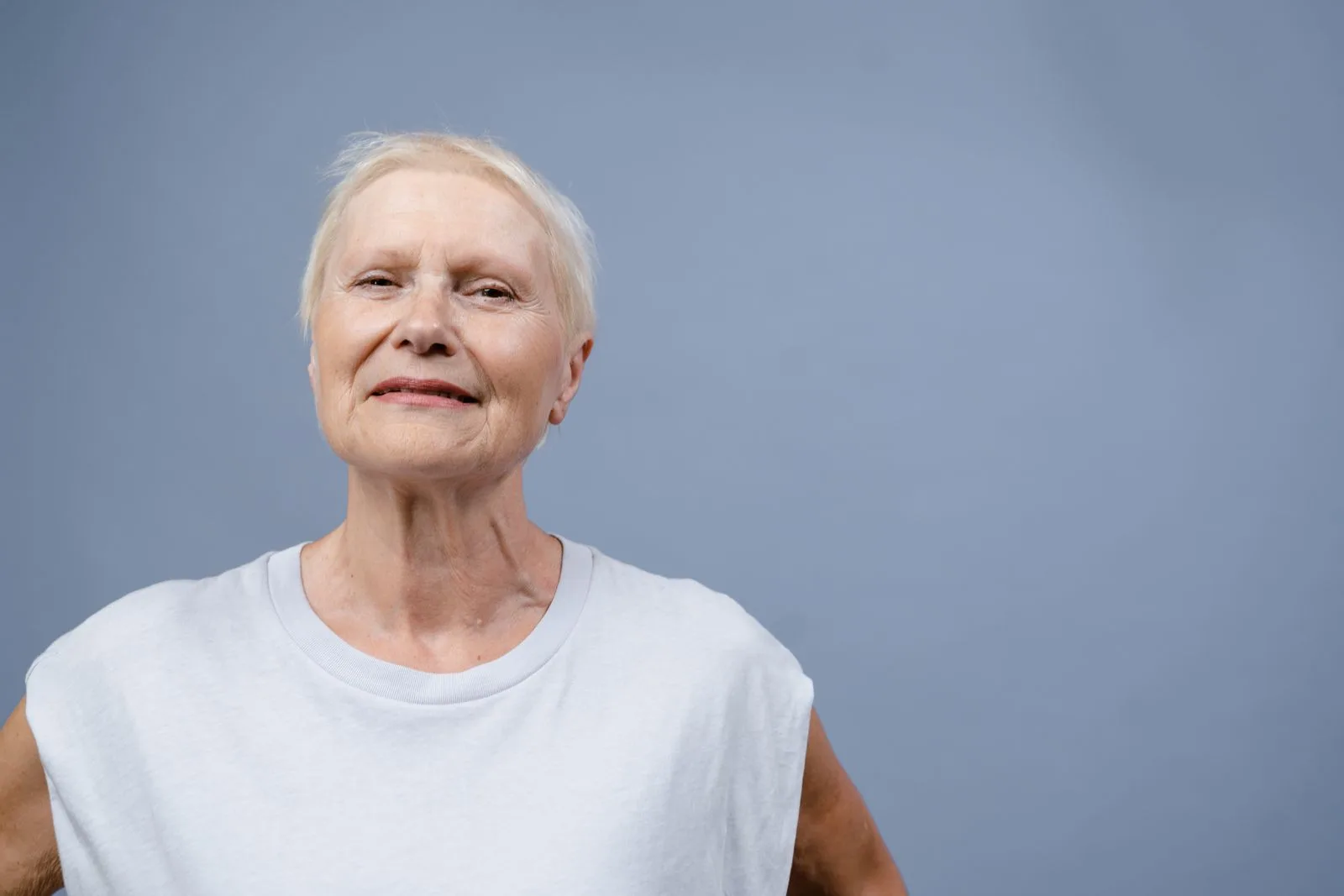
If you remember one principle from this article, make it this one: blunt ends usually look thicker. A bob cut to one length, sitting anywhere between the jaw and the chin, keeps every strand in the perimeter, so the outline of the hair looks dense and solid. Wispy, feathered ends do the opposite. The blunt bob suits most face shapes, looks polished with minimal effort, and grows out gracefully between appointments.
5. Layered lob with a strong perimeter
The lob, a long bob ending around the collarbone, is a practical upper length for many women with thinning hair, because the ends still hold together at that length. The trick is in how it is layered: soft, light layers through the top and front for movement, with the bottom edge kept blunt and full. Styled with loose waves it reads as thick, healthy hair; worn poker straight it can look flat, so this cut rewards five minutes with a curling wand. If your density is still good, longer hair can also work; style 12 covers that honestly.
6. Graduated bob
Shorter at the back, longer at the front, the graduated bob stacks the hair at the nape and crown, creating built in lift where flat hair needs it. It particularly suits women whose hair is thinnest at the back. Keep the graduation gentle rather than dramatic for a softer, modern result, and note that the stacked back needs regular trims to keep its shape.
7. Deep side part bob
Sometimes the volume is already there and just needs redirecting. Moving your part from the centre to a deep side part flips a larger section of hair over the crown, which looks like more hair and covers a widening part line at the same time. On any bob length it is the cheapest volume trick in this guide: it costs nothing and takes ten seconds. If you have worn a centre part for years, the hair will resist for a few days, then settle.
Shoulder length and beyond, done carefully
Length guidance in this section is a starting point, not a rule. Women with mild thinning and good density often keep longer hair looking full with the right ends and colour. Women whose ends have become see through usually get a bigger visible improvement from giving up a few inches. Your stylist can judge your density honestly; ask them to.
8. Soft layered shoulder cut with face framing pieces
Shoulder length is where many women with thinning hair land happily. Ask for gentle layers that start below the chin, plus face framing pieces that soften features and draw the eye to the front of the hair, where it is usually thickest. Avoid layers cut high and heavy through the crown, which remove the very density you are trying to show off.

9. Feathered layers with a wispy fringe
A light fringe is an underrated tool for thin hair. It creates a focal point at the front, adds the impression of thickness at the hairline, and softens the forehead. Feathered, textured layers through the lengths stop shoulder length hair from hanging in one flat sheet. The wispy version asks for far less commitment than a blunt fringe and grows out softly.
10. Collarbone cut with soft waves
If your hair is fine but you still have reasonable coverage, a collarbone length cut worn in soft waves can make hair appear fuller. Waves bend light and create shadow and movement, which can add the impression of thickness compared with the same hair worn straight. Use a large barrel tong, brush the waves out gently, and finish with a light texturising spray rather than anything oily.
11. The modern shag
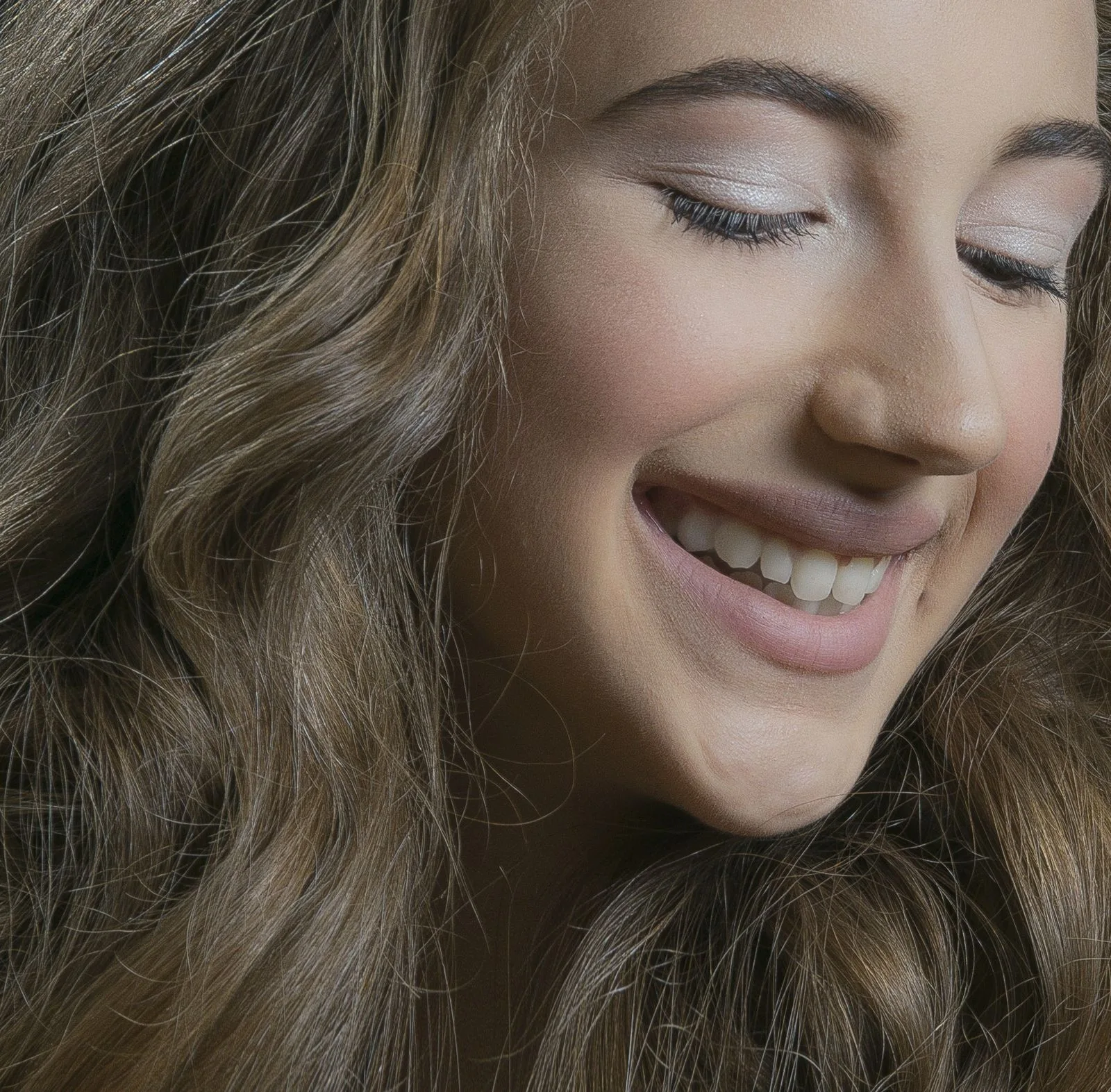
The shag is back, and thinning hair is one of its best use cases. Shorter layers around the crown create lift, longer pieces below keep some length, and the whole shape is deliberately piecey, so fine hair looks intentional rather than sparse. It suits wavy hair best and needs very little daily styling. Ask your stylist to keep the ends fuller than a classic 1970s shag, which was cut too thin at the bottom for thinning hair today.

12. Long layers, with honest limits
Long hair and thin hair are not natural partners, because weight pulls the roots flat and the ends show every gap. If you love your length, it can still work with long layers, a blunt bottom edge and the colour dimension covered below, especially if your thinning is mild. But be honest with the mirror: if the last few inches are see through, trading them for a lob will usually make your hair look far thicker in one appointment. For many women that trade is the single biggest improvement in this guide; for others, keeping the length they love matters more, and that is a legitimate choice too.
Colour tricks that make thin hair look denser
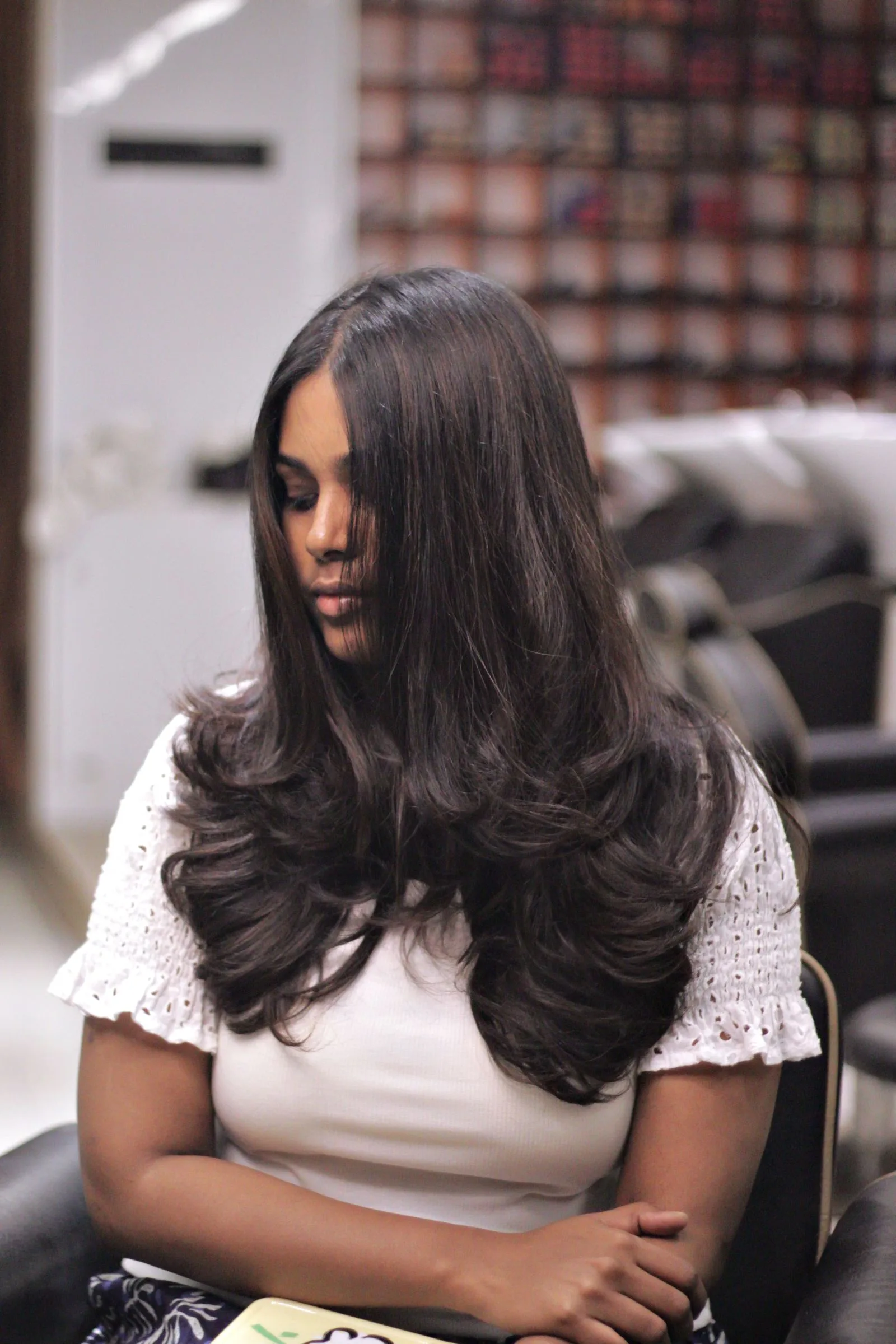
- Add dimension. One flat, solid colour shows every gap. Two or three closely related tones, highlights and lowlights woven through, create light and shadow, and the eye reads that as depth and thickness.
- Try a shadow root. Keeping the root area a shade deeper than the lengths makes the hair at the scalp look denser and stretches the time between colour appointments.
- Match regrowth kindly. If you are going grey, blending with highlights or a demi permanent colour softens the contrast between silver roots and darker lengths, which can otherwise make the part line look wider than it is.
- Keep condition first. Colour on fragile, thinning hair should be gentle. A good colourist will space processes out and prioritise condition, because broken hair looks thinner than any colour can fix.
The 10 minute volume routine
- Wash for lift. Use a volumising shampoo and keep conditioner mainly on the ends. Heavy conditioner at the roots is the fastest way to flatten fine hair.
- Product on damp hair, in the right order. A small amount of lightweight mousse or a root lifting spray at the roots only. Go easy on heavy oils and thick creams on fine hair; they can weigh it down within hours.
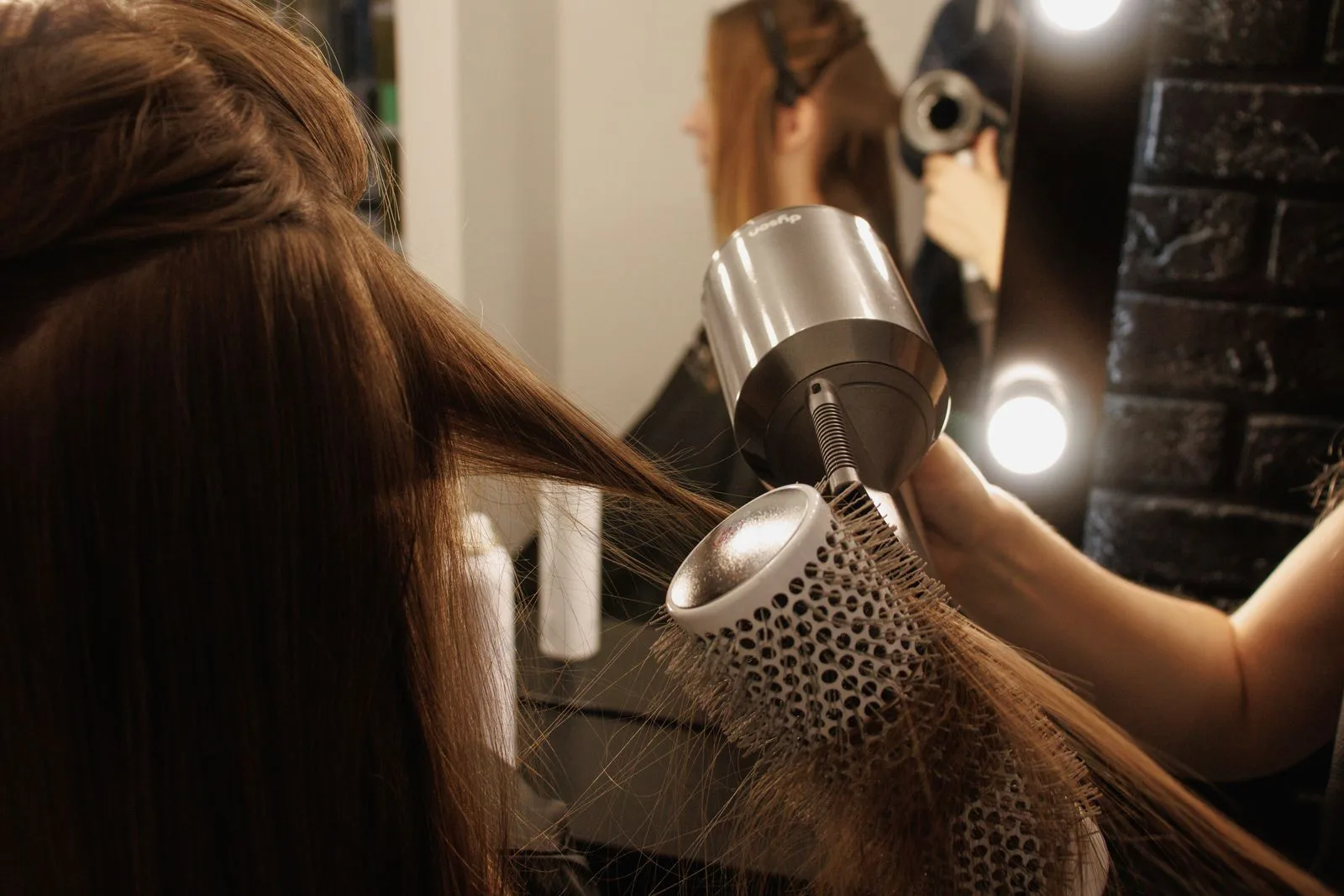
- Blow dry against gravity. Dry the roots first, lifting sections upward and in the opposite direction to how they will fall, or tip your head upside down for the first few minutes. Finish the crown with one or two large velcro rollers while you do your makeup.
- Cool shot, then hands off. Let the rollers and the style cool fully before touching; warm hair loses its lift as it cools into whatever shape it is resting in.
- Finish light. A dry texturising spray or a little dry shampoo at the roots adds grip and the matte finish that makes hair look fuller. On day two, dry shampoo at the roots before bed absorbs oil overnight and gives next morning lift.
For the habits that quietly undo all of this, our guide to haircare mistakes that secretly cause hair fall is worth ten minutes of your time.
What to ask your stylist
Walk in with a short brief and thin hair appointments go much better:
- “Keep my ends blunt and my perimeter strong.” The outline is where the impression of thickness lives.
- “Layers, yes, but light and long. Nothing choppy through the crown.”
- “Cut for the way I actually style it at home.” A cut that only works with a salon blow dry will disappoint you by Wednesday.
- “Tell me honestly if this length is too long for my density now.” A good stylist will, and it is the most valuable sentence in the appointment.
- Ask about thinning scissors and razors rather than banning them. Both have a legitimate place removing bulk inside a cut, but used on the ends of fine hair they can leave them looking wispy, so most stylists keep them away from the perimeter on thinning hair. Knowing the plan for your hair is the point.
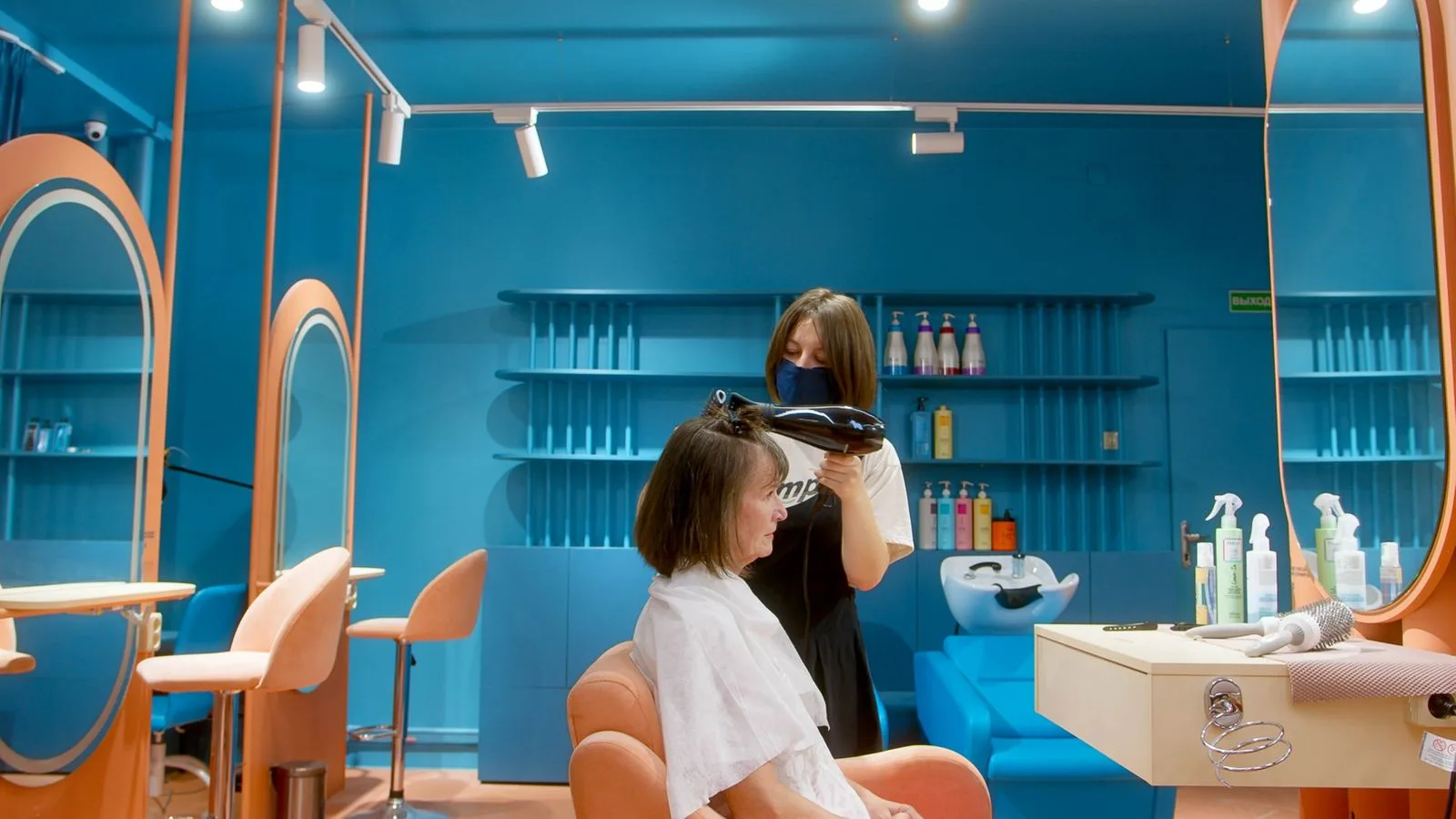
- Talk trims honestly. As a rough guide, many cuts on fine hair hold their shape best with a trim every 6 to 10 weeks; very short shapes may need 4 to 6 weeks to keep their line, and longer styles can often stretch further. The point is a small trim before the ends taper and split, at whatever interval fits your cut and your life.
7 mistakes that make thin hair look thinner
- Growing it long to compensate. Length adds weight, weight flattens roots, and the ends can turn transparent. It usually backfires, though mild thinning with good ends is the exception.
- Too many layers. Layers remove mass. On thin hair, heavy layering is volume maths working in reverse.
- A fixed centre part. Worn in the same place for years, hair lies flatter and the part itself can look wider. Move it, even by a centimetre.
- Heavy products. Oils, butters and thick creams coat fine strands and clump them together, which shows more scalp.
- Skipping trims for months. Tapered, split ends are the thinnest part of your hair. Keeping them on show keeps the whole style looking thin.
- Tight hairstyles, daily. Constant tight ponytails and buns stress the hairline. The AAD’s guidance on hairstyles that pull explains how pulling can lead to hair loss, and why looser styles are safer.
- Heat without protection. Fine hair damages faster. Use a heat protectant, and keep straighteners off the highest setting.
When thinning hair needs more than a new cut
A new hairstyle is a reasonable answer to hair that has gradually become finer. It is not the right answer to every change. See a dermatologist if you notice any of the following:
- Sudden or rapid shedding, handfuls in the brush or shower over a few weeks
- Round bald patches, or a part that is widening quickly
- Itching, scaling, redness or pain on the scalp
- Thinning alongside other new symptoms, such as fatigue or weight change
The AAD’s position is that effective treatment for hair loss begins with finding the cause, and that treatment tends to work best when it starts early. Hair loss can also be an early sign of an underlying medical condition, and problems with the thyroid and low iron are among the causes a dermatologist will check for, which is why a proper diagnosis matters more than any product. Some shedding is normal: the AAD notes that losing about 50 to 100 hairs a day is typical. Noticeably more than your usual, sustained over weeks, is worth the appointment. And while you build the habits that support the hair you have, our guide to how to make hair grow faster naturally covers the realistic, evidence aware basics.
Frequently asked questions
What is the best hairstyle for women over 40 with thin hair?
For many women, a blunt bob or a layered lob with a strong perimeter. Both keep the ends dense, which is what the eye reads as thickness, and both are quick to style. If your thinning is mainly at the crown, a textured pixie with a longer top often covers it best. Your density and texture have the final say.
Do layers help or hurt thin hair?
Light, long layers help by adding movement. Heavy or short layers hurt, because every layer removes hair from somewhere else. The usual rule is fewer, longer layers, placed through the top and front, with the ends kept blunt.
How short should I go if my hair is thinning?
There is no single right length. Many women find somewhere between a pixie and the collarbone easiest to make look full, because past the shoulders the weight and the wispy ends can work against you. If your thinning is mild and your ends are still strong, longer hair with blunt ends and colour dimension is a perfectly reasonable choice.
Can colour really make thin hair look thicker?
Yes, visually. Multi tonal colour creates light and shadow, which the eye reads as depth. A slightly deeper root (a shadow root) is one of the most effective tricks for making the scalp area look denser.
How often should women over 40 with thin hair get a trim?
As a rough guide, every 6 to 10 weeks for most cuts, sooner for very short shapes that lose their line quickly, and a little longer is fine for longer styles in good condition. Fine hair splits and tapers quickly, and a small regular trim keeps the outline blunt and full looking, which is where the impression of thickness comes from.
The bottom line
Thinning hair after 40 is not a styling dead end; it is a change of strategy. Structured shapes, blunt ends, lift at the crown, colour with dimension, light products and regular small trims will make the hair you have look fuller from the first appointment, no miracle products required. Pick the cut above that fits your hair, your face and your mornings, brief your stylist with the lines in this guide, and let the shape do the work.
This article is general information about hairstyling, not medical advice. If you are concerned about hair loss, a dermatologist can find the cause and discuss treatment options with you.

Akif is the founder and editor of Sizzling Magazine, a women’s lifestyle magazine covering beauty, fashion, travel, food, and wellness. Publishing since 2012, he curates practical skincare routines, honest beauty advice, and wearable fashion trends for real women — with a soft spot for old-school home remedies that actually work. Sizzling Magazine is where grandma’s beauty wisdom meets modern trends.


Leave a Reply