
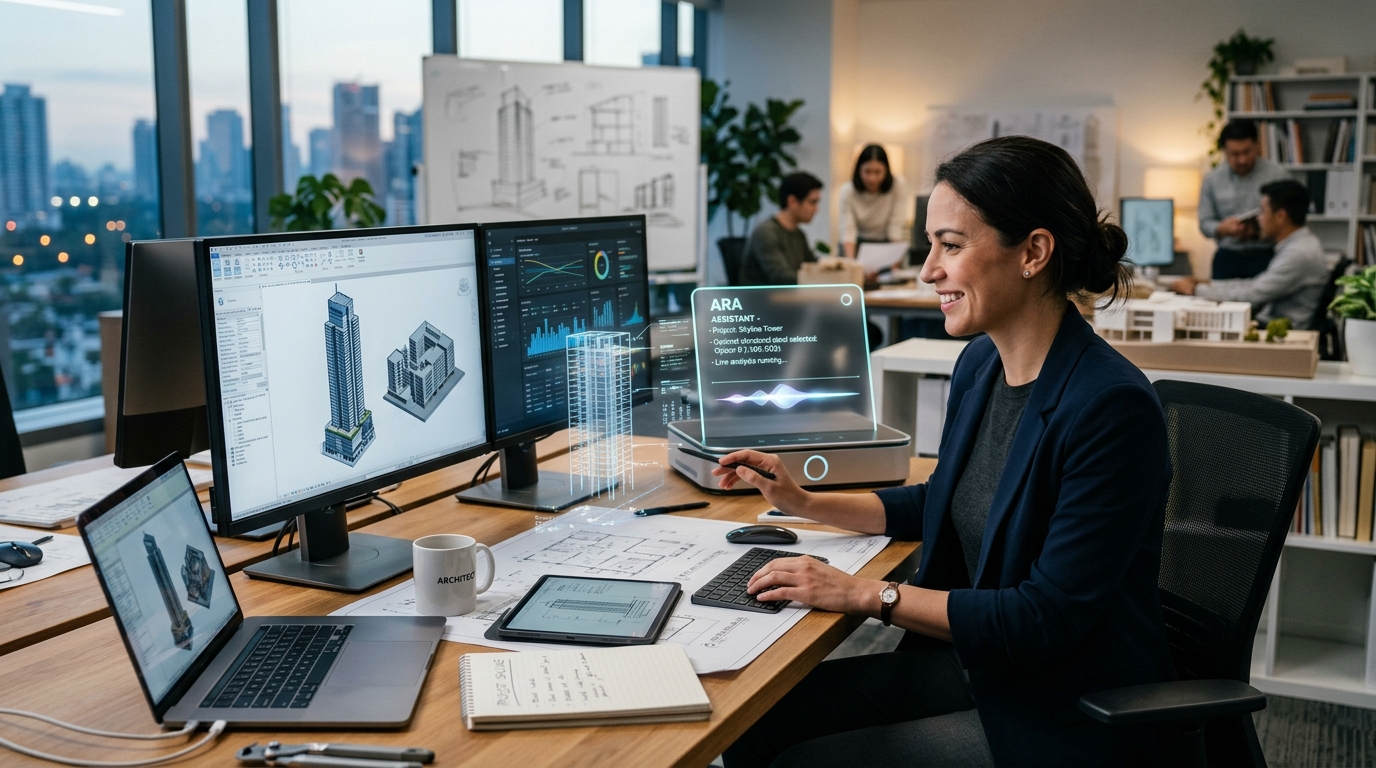
Technology has never evolved as rapidly as it is today. Just a decade ago, concepts such as AI-powered personal assistants, smart homes that anticipate our needs, wearable devices capable of monitoring health conditions in real time, and immersive digital realities seemed like science fiction. In 2026, these innovations are becoming part of everyday life.
Artificial intelligence is no longer limited to technology companies. It is influencing industries ranging from healthcare and education to fashion, beauty, travel, entertainment, and finance. Consumers are increasingly relying on intelligent systems to help them make decisions, automate tasks, and enhance their lifestyles.
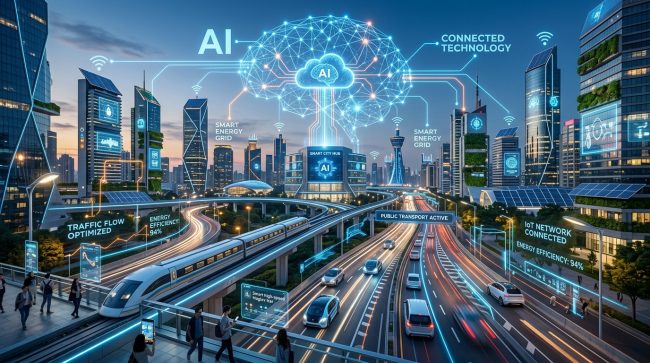
The convergence of AI, cloud computing, advanced connectivity, smart devices, and data analytics is creating a new era of digital transformation. Businesses are becoming more efficient, consumers are enjoying highly personalized experiences, and entirely new industries are emerging.
This comprehensive guide explores the most influential technology trends of 2026, how they are reshaping society, and what individuals and businesses can expect in the years ahead.
Key Takeaways
- Artificial intelligence is becoming integrated into daily life and business operations.
- Smart homes are evolving into fully connected ecosystems.
- Wearable technology is moving beyond fitness tracking into preventive healthcare.
- Extended Reality (XR) is transforming entertainment, education, and workplace collaboration.
- AI is redefining how people shop, travel, learn, and work.
- Sustainability and green technology are becoming major innovation priorities.
- Cybersecurity and digital privacy remain critical challenges.
- The technologies emerging today will significantly influence life through 2030 and beyond.
The State of Technology in 2026
The world has entered an era where technology is no longer simply a tool—it is becoming a collaborative partner.
Consumers increasingly expect technology to:
- Anticipate their needs
- Provide personalized recommendations
- Automate repetitive tasks
- Enhance productivity
- Improve health outcomes
- Simplify daily decision-making
Several factors are driving this transformation:
| Technology Driver | Impact |
|---|---|
| Artificial Intelligence | Automation and personalization |
| Cloud Computing | Global accessibility |
| 5G & Advanced Connectivity | Faster communication |
| Internet of Things (IoT) | Device connectivity |
| Big Data Analytics | Better decision-making |
| Machine Learning | Continuous improvement |
| Extended Reality | Immersive experiences |
The combination of these technologies is creating smarter systems capable of learning, adapting, and evolving over time.
The Artificial Intelligence Revolution
Artificial intelligence is undoubtedly the defining technology trend of 2026.
Rather than replacing humans, modern AI systems are augmenting human capabilities by handling repetitive tasks, analyzing large datasets, generating content, and providing actionable insights.
Generative AI Goes Mainstream
Generative AI tools have become part of daily workflows.
People use AI for:
- Writing content
- Creating presentations
- Generating images
- Coding software
- Research assistance
- Business planning
- Customer support
Students, entrepreneurs, marketers, designers, and professionals across industries are benefiting from intelligent assistance.
Real-World Example
A small business owner can now:
- Generate marketing campaigns
- Create product descriptions
- Design social media content
- Analyze customer feedback
- Produce reports
all with AI support, significantly reducing costs and increasing productivity.
AI Agents and Digital Assistants
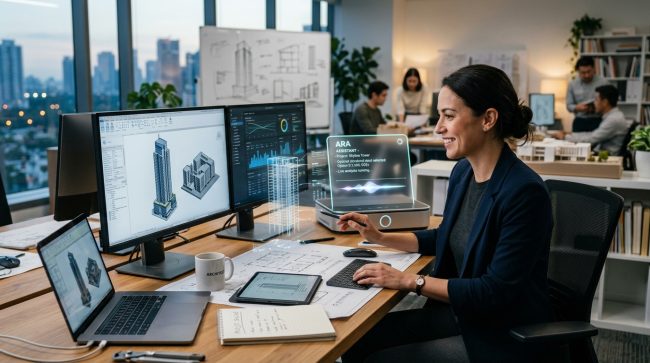
The next evolution of AI involves autonomous AI agents capable of performing complex tasks independently.
Instead of merely answering questions, AI assistants can:
- Schedule appointments
- Manage emails
- Conduct research
- Compare products
- Monitor projects
- Book travel arrangements
This shift represents a move from information retrieval to task execution.
AI in Business Operations
Organizations increasingly use AI for:
Customer Service
- Intelligent chatbots
- Virtual support agents
- Automated ticket management
Marketing
- Predictive analytics
- Audience segmentation
- Personalized campaigns
Finance
- Fraud detection
- Risk assessment
- Investment analysis
Human Resources
- Recruitment screening
- Employee engagement analysis
- Skills development planning
Businesses adopting AI effectively often gain significant competitive advantages.
Smart Homes Become Truly Intelligent
The concept of smart homes has existed for years, but 2026 marks a transition toward truly intelligent living environments.
Instead of isolated devices, homes now function as connected ecosystems.
Voice-Centered Living
Voice interfaces continue gaining popularity.
Residents can control:
- Lighting
- Climate systems
- Security cameras
- Entertainment devices
- Household appliances
using natural language commands.
Predictive Home Automation
Modern smart homes learn from behavioral patterns.
Examples include:
- Adjusting room temperatures automatically
- Activating lighting based on occupancy
- Optimizing energy consumption
- Reordering household essentials
The goal is convenience without constant manual input.
Smart Security Systems
Advanced security technologies include:
- Facial recognition
- Intelligent motion detection
- Remote monitoring
- Automated emergency alerts
Homeowners benefit from improved safety and peace of mind.
Energy Optimization
AI-driven energy management systems help reduce:
- Electricity consumption
- Utility costs
- Carbon emissions
Smart thermostats and connected devices can significantly improve energy efficiency.
Wearable Technology and Personal Health
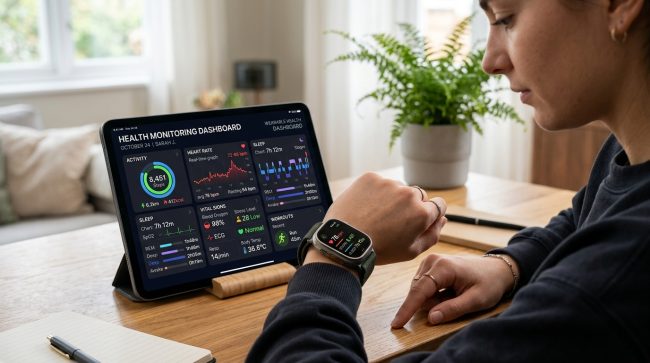
Wearable devices have evolved far beyond counting steps.
In 2026, wearables increasingly function as personal health companions.
Continuous Health Monitoring
Modern devices track:
- Heart rate
- Sleep quality
- Blood oxygen levels
- Stress indicators
- Physical activity
- Recovery metrics
This data helps users make informed health decisions.
The Rise of Smart Rings
Smart rings have become increasingly popular due to their discreet design and advanced capabilities.
Benefits include:
- Sleep monitoring
- Wellness tracking
- Activity analysis
- Long battery life
Consumers appreciate having sophisticated health insights without bulky devices.
Preventive Healthcare
Healthcare providers increasingly utilize wearable-generated data.
Potential benefits include:
- Early detection of health issues
- Improved patient monitoring
- Better chronic disease management
- Personalized wellness recommendations
The focus is shifting from treatment to prevention.
The Rise of Extended Reality (XR)
Extended Reality encompasses:
- Virtual Reality (VR)
- Augmented Reality (AR)
- Mixed Reality (MR)
These technologies are transforming how people interact with digital content.
Virtual Reality Applications
VR is increasingly used for:
- Gaming
- Training simulations
- Education
- Therapy
- Virtual tourism
Immersive experiences continue becoming more realistic and accessible.
Augmented Reality in Daily Life
AR overlays digital information onto physical environments.
Examples include:
Retail
Virtual furniture placement
Fashion
Virtual clothing try-ons
Beauty
Digital makeup testing
Education
Interactive learning experiences
Consumers can visualize products before making purchases, reducing uncertainty and returns.
Workplace Collaboration
XR technologies enable:
- Virtual meetings
- Remote collaboration
- Interactive training
- Digital workspaces
Global teams can work together more effectively regardless of physical location.
The Future of Work
Technology is redefining how organizations operate.
The workplace of 2026 emphasizes flexibility, automation, and collaboration.
AI-Powered Productivity
Employees increasingly use AI tools for:
- Research
- Writing
- Data analysis
- Scheduling
- Project management
Rather than replacing workers, AI often acts as a productivity multiplier.
Hybrid Work Models
Organizations continue embracing flexible work arrangements.
Benefits include:
For Employees
- Better work-life balance
- Reduced commuting
- Increased flexibility
For Employers
- Broader talent pools
- Reduced overhead costs
- Enhanced employee satisfaction
Skills for the Future
Professionals increasingly require:
| Skill | Importance |
|---|---|
| Critical Thinking | High |
| Problem Solving | High |
| Digital Literacy | High |
| Communication | High |
| Adaptability | High |
| Creativity | High |
| AI Collaboration | Growing |
Technical expertise alone is no longer sufficient in many industries.
Technology Transforming Fashion
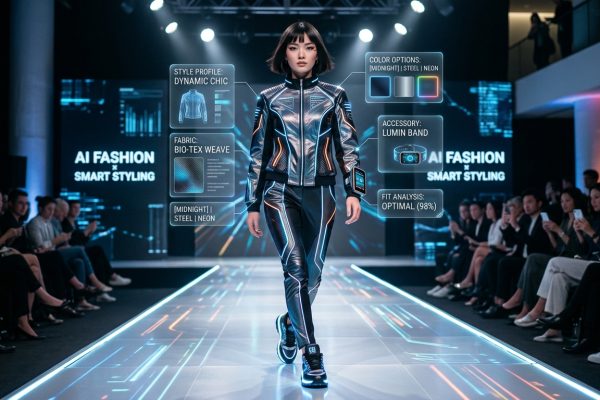
Fashion is becoming one of the most AI-driven consumer industries.
AI Personal Stylists
Consumers receive personalized recommendations based on:
- Body type
- Style preferences
- Budget
- Seasonal trends
AI can curate entire wardrobes within minutes.
Virtual Fitting Rooms
Shoppers increasingly use virtual try-on technology before purchasing clothing.
Benefits include:
- Better sizing accuracy
- Increased confidence
- Reduced returns
Demand Forecasting
Fashion brands use AI to:
- Predict trends
- Manage inventory
- Reduce waste
- Improve profitability
This contributes to both business efficiency and sustainability.
Technology Transforming Beauty
The beauty industry is embracing digital innovation at an unprecedented pace.
AI Skin Analysis
Consumers can upload selfies and receive personalized assessments regarding:
- Acne
- Pigmentation
- Wrinkles
- Skin hydration
- Sensitivity
This allows for customized skincare recommendations.
Personalized Cosmetics
Brands increasingly develop products tailored to individual needs.
Factors considered include:
- Skin type
- Age
- Environment
- Lifestyle
The result is greater personalization and customer satisfaction.
Smart Beauty Devices
Connected beauty tools help consumers optimize:
- Skincare routines
- Haircare treatments
- Product usage
Technology is making beauty regimens more effective and data-driven.
Smart Travel Experiences
Technology continues transforming travel planning and experiences.
AI Travel Planning
Travelers increasingly use AI to:
- Research destinations
- Build itineraries
- Compare accommodations
- Identify attractions
Planning that once took hours can now be completed in minutes.
Intelligent Booking Systems
Modern booking platforms provide:
- Dynamic recommendations
- Personalized pricing insights
- Flexible scheduling options
Consumers enjoy more relevant travel suggestions.
Smart Airports
Airports increasingly implement:
- Biometric identification
- Automated check-ins
- Intelligent security screening
- Digital wayfinding
The objective is reducing friction throughout the travel experience.
Luxury Technology Trends
Luxury is becoming increasingly personalized through technology.
AI Concierge Services
Premium consumers can access digital concierge systems capable of:
- Restaurant reservations
- Travel planning
- Event bookings
- Lifestyle recommendations
These services deliver convenience and exclusivity.
Luxury Smart Homes
High-end residences feature:
- Automated climate control
- Intelligent lighting
- Personalized entertainment
- Advanced security systems
Technology enhances comfort without compromising aesthetics.
Hyper-Personalization
Luxury brands increasingly use data and AI to provide:
- Customized recommendations
- Exclusive experiences
- Tailored services
Personalization is becoming a defining characteristic of modern luxury.
Sustainability Through Innovation
Environmental responsibility has become a major technology focus.
Renewable Energy Advancements
Solar, wind, and energy storage technologies continue improving efficiency and affordability.
Benefits include:
- Lower emissions
- Reduced energy costs
- Greater energy independence
Circular Economy Technologies
Businesses increasingly adopt systems supporting:
- Recycling
- Product refurbishment
- Resource recovery
- Waste reduction
Technology enables more sustainable consumption patterns.
Smart Resource Management
AI helps organizations optimize:
- Water usage
- Energy consumption
- Supply chains
- Manufacturing processes
This creates both environmental and economic benefits.
Cybersecurity and Digital Privacy
As digital adoption increases, cybersecurity becomes increasingly important.
Emerging Threats
Organizations face challenges such as:
- Ransomware
- Data breaches
- Phishing attacks
- Deepfake manipulation
Security strategies must evolve continuously.
Protecting Personal Information
Consumers should prioritize:
- Strong passwords
- Multi-factor authentication
- Software updates
- Privacy awareness
Digital literacy remains essential.
Ethical AI Considerations
Important questions include:
- Data ownership
- Algorithm transparency
- Bias prevention
- Accountability
Responsible innovation will be critical for maintaining public trust.
Expert Perspectives on Future Technology
Technology leaders consistently emphasize that successful innovation depends on balancing capability with responsibility.
Industry experts broadly agree on several themes:
AI Will Become Invisible
Users will increasingly interact with AI without consciously recognizing it.
Personalization Will Expand
Products and services will adapt to individual preferences automatically.
Human Skills Remain Valuable
Creativity, empathy, leadership, and critical thinking will become increasingly important.
Regulation Will Increase
Governments and organizations will implement stronger frameworks governing data privacy and AI usage.
Technology Predictions for 2030
Several developments are expected to accelerate over the coming years.
Digital Twins
Individuals may maintain virtual representations of themselves for:
- Shopping
- Healthcare
- Entertainment
- Education
Autonomous Systems
Self-operating technologies may become common across:
- Transportation
- Logistics
- Manufacturing
- Service industries
AI Companions
More sophisticated AI systems may provide:
- Personalized coaching
- Educational support
- Productivity assistance
- Lifestyle guidance
Intelligent Cities
Future urban environments may utilize connected infrastructure to optimize:
- Traffic flow
- Energy usage
- Public safety
- Environmental monitoring
Technology Statistics at a Glance
| Category | 2026 Trend |
|---|---|
| AI Adoption | Rapid growth across industries |
| Smart Home Devices | Continued expansion |
| Wearable Technology | Strong consumer demand |
| Remote Work Tools | Mainstream business adoption |
| Cybersecurity Investment | Increasing globally |
| Sustainable Technology | Major innovation priority |
| Digital Commerce | Growing personalization |
| XR Applications | Expanding commercial use |
Frequently Asked Questions
What is the biggest technology trend in 2026?
Artificial intelligence remains the most influential trend due to its impact across virtually every industry and consumer activity.
Are smart homes worth investing in?
For many homeowners, smart home technologies provide convenience, security, energy efficiency, and improved quality of life.
Will AI replace human jobs?
AI will automate some tasks, but many experts expect it to create new opportunities while enhancing human productivity rather than eliminating most professions.
How important is cybersecurity today?
Cybersecurity is more important than ever because personal and professional activities increasingly rely on digital systems.
What industries benefit most from AI?
Healthcare, finance, retail, manufacturing, education, travel, marketing, fashion, and customer service are among the industries experiencing significant AI-driven transformation.
What technology should consumers learn about now?
Artificial intelligence, digital privacy, smart home systems, wearable technology, and cybersecurity awareness are among the most valuable areas to understand.
Conclusion
Technology in 2026 is no longer confined to computers and smartphones. It is woven into the fabric of everyday life, influencing how people communicate, work, shop, travel, learn, and care for their health. Artificial intelligence, smart homes, wearable devices, extended reality, sustainable innovation, and intelligent automation are collectively reshaping society.
While challenges surrounding privacy, cybersecurity, and ethics remain important, the opportunities created by these advancements are enormous. Businesses that embrace innovation thoughtfully and consumers who develop digital literacy will be best positioned to benefit from the next wave of technological transformation.
The future is not a distant concept—it is unfolding now. Understanding these trends is essential for anyone seeking to thrive in an increasingly connected and intelligent world.

Akif is the founder and editor of Sizzling Magazine, a women’s lifestyle magazine covering beauty, fashion, travel, food, and wellness. Publishing since 2012, he curates practical skincare routines, honest beauty advice, and wearable fashion trends for real women — with a soft spot for old-school home remedies that actually work. Sizzling Magazine is where grandma’s beauty wisdom meets modern trends.



Leave a Reply