


Our skin tells stories about our lives. It shows how well we look after ourselves, how well we’ve aged and how healthy we are.
And while we can’t influence certain factors that determine the health and appearance of our skin (our genetics, for example), a great deal of our skin’s quality is under our control.
To keep it smooth, fresh and glowing all year round, here are the things you should pay attention to.
Improve Your Diet
Even though the entire beauty industry relies on the products granting you radiant and healthy skin, your clean complexion actually starts with a healthy diet.
Some of the foods that are proven skin healthy are:
- Olive oil – lowers the
risk of severe aging of your skin due to cumulative sun exposure. - Tomatoes – a source of lycopene, an antioxidant. A diet rich in vegetables supports general skin health, but no food prevents sunburn or skin cancer.
- Mangoes – help you
protect the collagen of your skin. - Fatty fish – reduces
the inflammation of your skin and keeps it moisturized. - Bell peppers – a great
source of vitamin C, necessary to create collagen.
On the other hand, you should stay away from the food known to have bad effects on your skin, such as white rice and white bread, fried foods, processed meats, mayo, etc.
Get Your Beauty Sleep
Sleep is essential for our overall health, but too many sleepless nights will exhaust your skin too. The damage is not limited to dark circles and eye bags alone, as over time your skin structure will suffer, resulting in sagging skin, breakouts and wrinkles.
Not getting enough of quality sleep puts your body in the state of stress, and it starts producing hormones that induce inflammation and damage your skin.
In order to avoid the negative effects of sleeplessness on your body, establish a regular sleeping routine, and try to get at least 7 to 8 hours of uninterrupted sleep at night.
Shun the Sun
It’s not a secret that sun exposure can seriously damage your skin and be a great hazard to your health too. Exposure to ultraviolet radiation is a major preventable risk factor for melanoma.
Furthermore, sun exposure leads to premature aging of the skin and damage such as age spots, freckles, wrinkles, actinic keratoses, etc.
Although your nutrition can decrease sun damage to your skin, you should never rely only on your food to protect you.
Make sure you use sunscreen on a daily basis, whenever you’re going out. Sunscreen protects your skin from ultraviolet radiation, a major cause of premature skin ageing.
If you have any moles on your skin that you’re worried about, it’s best to have them checked and consider non-surgical moles and skin-tag removal treatment.
Keep it Clean
For your skin to have a radiant and smooth feel, you should make a routine out of cleansing and exfoliation. Your dead skin cells need to be removed as they make your skin look dry and rough, and can result in acne, blemishes and excess oil.
Opt for a cleanser according to your skin type, and use it to get rid of any make-up, pore-clogging dirt or grease.
When it comes to exfoliation, make sure you include all the parts of your body, especially those that you most tear and wear, such as your feet and your hands. You can choose between manual exfoliators, such as a washcloth or a sponge, and chemical peel treatments, depending on the health of your skin and its sensitivity.
Hydrate Your Skin
Keeping your skin hydrated is essential for improving its quality, so make sure you use moisturizers regularly if you want it to be smooth and wrinkle-free. Your decision of which moisturizer to use should be based on the type of your skin, as using the wrong one can make your condition worse.
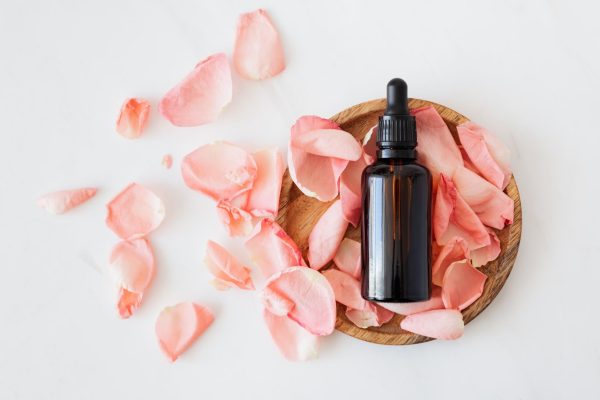
Your skin is especially vulnerable after exfoliation or a bath, so never forget to apply a moisturizer. For extra results, use body or face oil after the moisturizer too, in order to lock the moisture in.
Be sure to hydrate your skin from the inside too. Drinking enough water keeps your body hydrated, which supports healthy skin. White tea and green tea both contain antioxidants and are widely used in skincare products, but neither is a treatment for skin conditions such as psoriasis or dandruff.
Relieve the Stress
Stress can wreak havoc on your health, and cause many skin problems. Some of the skin conditions commonly related to stress are:
- Acne,
- Rosacea,
- Psoriasis,
- Eczema,
- Alopecia etc.
Have you ever noticed that when you under too much stress, acne simply appears, out of nowhere?
It’s your organism producing too much cortisol, the stress hormone, that increases your skin’s oil production, making your skin prone to pimples.
Reduce your stress levels by using techniques such as deep breathing, tai chi, meditation or yoga.
Regular exercising is another great way to fight stress, but it has other benefits for your skin too, as it pumps more blood to the skin, feeding it with micronutrients. It also helps your skin by sweating any debris in your pores away.
Follow these simple tips to keep your skin healthy and glowing.

Akif is the founder and editor of Sizzling Magazine, a women’s lifestyle magazine covering beauty, fashion, travel, food, and wellness. Publishing since 2012, he curates practical skincare routines, honest beauty advice, and wearable fashion trends for real women — with a soft spot for old-school home remedies that actually work. Sizzling Magazine is where grandma’s beauty wisdom meets modern trends.


Leave a Reply