
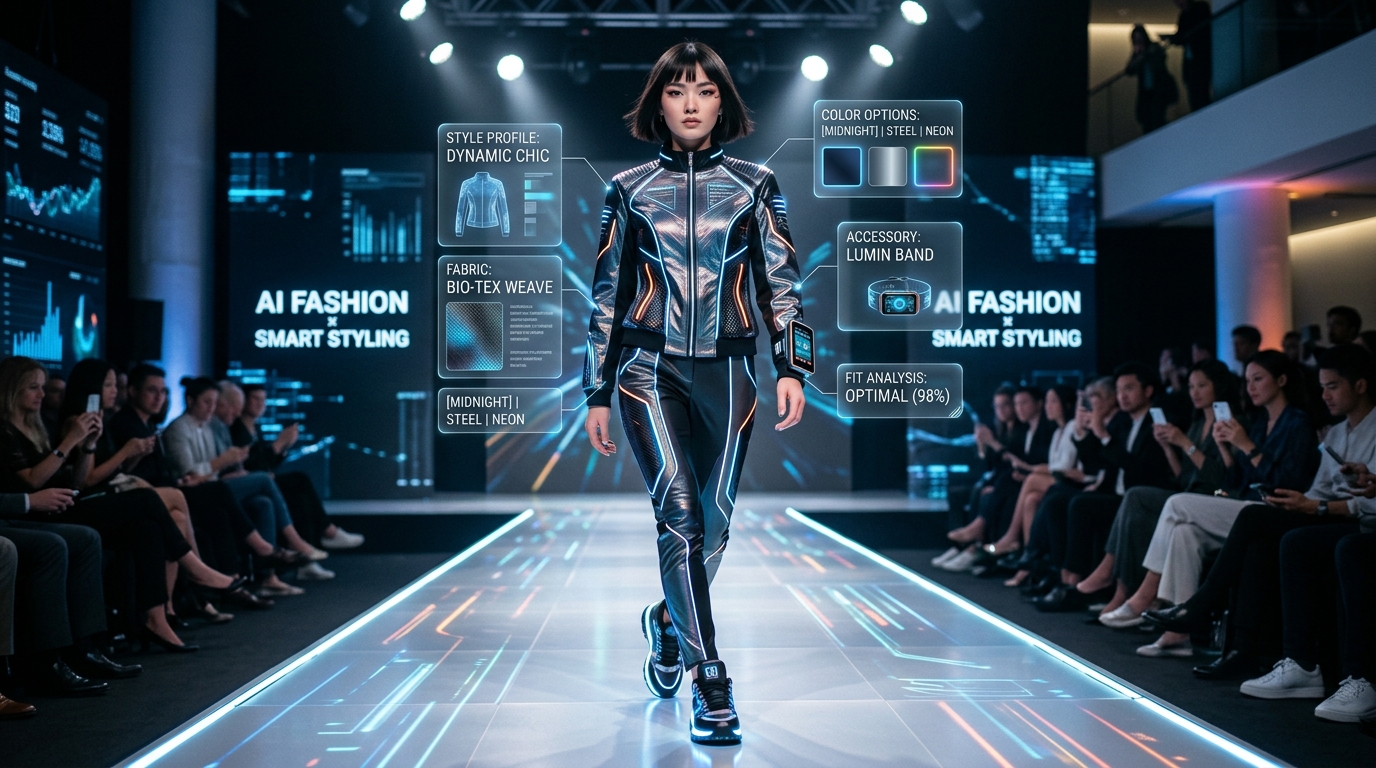
Artificial Intelligence (AI) is no longer a futuristic concept reserved for tech giants and research laboratories. In 2026, AI has become an integral part of everyday life, influencing the way people dress, shop, style themselves, decorate their homes, travel, exercise, and even make purchasing decisions.
From AI-powered personal stylists and virtual beauty consultants to smart shopping assistants and personalized wellness recommendations, technology is transforming consumer behavior at an unprecedented pace. What once required human expertise can now be enhanced—or sometimes entirely managed—by intelligent algorithms capable of analyzing vast amounts of data in seconds.
The fashion, beauty, and lifestyle industries have emerged as some of the biggest beneficiaries of this transformation. Brands are leveraging AI to predict trends, personalize customer experiences, optimize production, and create innovative products that meet evolving consumer demands.
In this comprehensive guide, we explore how AI is reshaping fashion, beauty, and lifestyle trends in 2026, supported by industry statistics, expert insights, real-world examples, and practical recommendations for consumers and businesses alike.
Table of Contents
- The Rise of AI in Consumer Lifestyle
- AI and Fashion: Revolutionizing Style
- AI in Beauty and Personal Care
- AI-Powered Shopping Experiences
- AI and Home Design Trends
- AI in Health, Wellness, and Fitness
- Social Media Influencers vs AI Influencers
- Sustainability Through Artificial Intelligence
- Consumer Privacy and Ethical Concerns
- Future Predictions for 2030
- Frequently Asked Questions
- Final Thoughts
The Rise of AI in Consumer Lifestyle
Artificial intelligence has evolved from a niche technology into a mainstream utility.
According to multiple global technology reports, AI adoption among consumers has increased dramatically over the past three years. Millions of people now use AI tools daily for:
- Shopping recommendations
- Fashion advice
- Travel planning
- Fitness coaching
- Beauty consultations
- Content creation
- Home decoration ideas
- Personal productivity
The growing accessibility of AI assistants has fundamentally changed how consumers discover products and services.
Instead of browsing dozens of websites, consumers increasingly ask AI tools:
- What outfit should I wear for a wedding?
- Which skincare products suit oily skin?
- How can I decorate a small apartment?
- What fashion trends are popular in 2026?
The result is a major shift in how brands market products and connect with audiences.
AI and Fashion: Revolutionizing Style
Personalized Fashion Recommendations
Traditional shopping often involved browsing hundreds of products.
Today, AI-powered recommendation systems analyze:
| Data Point | Purpose |
|---|---|
| Purchase History | Understand preferences |
| Browsing Behavior | Predict interests |
| Body Measurements | Improve fit accuracy |
| Seasonal Trends | Recommend relevant items |
| Social Activity | Detect style preferences |
These systems create highly personalized shopping experiences.
Consumers now receive outfit suggestions tailored specifically to their:
- Body type
- Budget
- Climate
- Lifestyle
- Fashion preferences
Virtual Personal Stylists
One of the most significant developments in 2026 is the emergence of AI personal stylists.
These assistants can:
- Analyze uploaded photos
- Suggest outfits
- Recommend accessories
- Coordinate colors
- Build capsule wardrobes
Real Example
A professional working in Dubai may upload photos of existing clothing items.
The AI stylist can then:
- Create weekly outfit combinations
- Suggest missing wardrobe essentials
- Recommend suitable footwear
- Match attire to weather forecasts
What once required expensive styling consultations is now accessible to millions of consumers.
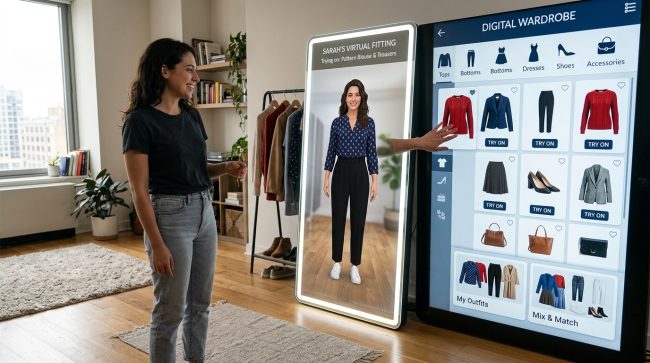
Virtual Try-On Technology
Virtual try-on experiences have become increasingly accurate.
Consumers can now:
- Try clothing digitally
- Test eyewear virtually
- Preview handbags
- Visualize shoes
- Compare sizes
Benefits include:
For Consumers
- Better buying decisions
- Reduced returns
- Time savings
- Increased confidence
For Brands
- Higher conversions
- Lower logistics costs
- Improved customer satisfaction
Trend Forecasting Using AI
Fashion brands increasingly rely on AI systems to identify upcoming trends before competitors.
AI analyzes:
- Social media posts
- Search engine behavior
- Consumer sentiment
- Shopping patterns
- Celebrity influence
This allows companies to anticipate demand months before traditional forecasting methods.
AI in Beauty and Personal Care
Beauty is one of the fastest-growing sectors benefiting from AI innovation.
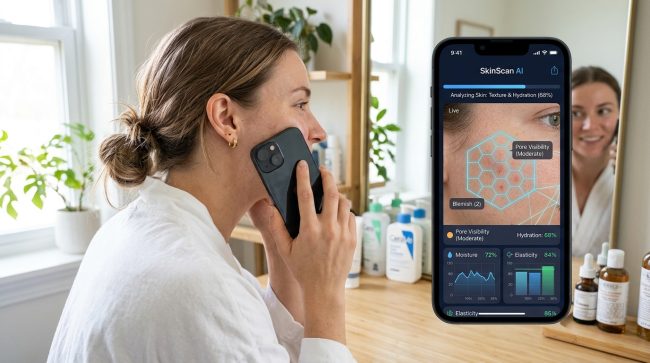
AI Skin Analysis
Consumers can upload a selfie and receive instant assessments regarding:
- Acne
- Wrinkles
- Hyperpigmentation
- Dryness
- Pore visibility
- Skin sensitivity
The AI then recommends products based on detected concerns.
Personalized Skincare Routines
Generic skincare advice is gradually being replaced by individualized recommendations.
AI systems evaluate:
| Factor | Analysis |
|---|---|
| Age | Skin condition patterns |
| Climate | Environmental impact |
| Lifestyle | Stress and sleep effects |
| Skin Type | Product suitability |
| Goals | Customized treatment plans |
This creates significantly better results than one-size-fits-all solutions.
Virtual Makeup Testing
Consumers can now test:
- Lipsticks
- Foundations
- Eye shadows
- Eyeliners
- Hair colors
without physically applying products.
Advantages
- Convenience
- Hygiene
- Cost savings
- Reduced product waste
Beauty brands report improved engagement rates from virtual try-on features.
AI Beauty Consultants
AI assistants increasingly answer beauty-related questions such as:
- Which foundation suits my skin tone?
- What skincare routine should I follow?
- Which hairstyle matches my face shape?
- How can I reduce signs of aging?
These tools provide immediate guidance while helping users make informed purchasing decisions.
AI-Powered Shopping Experiences
Hyper-Personalized Product Discovery
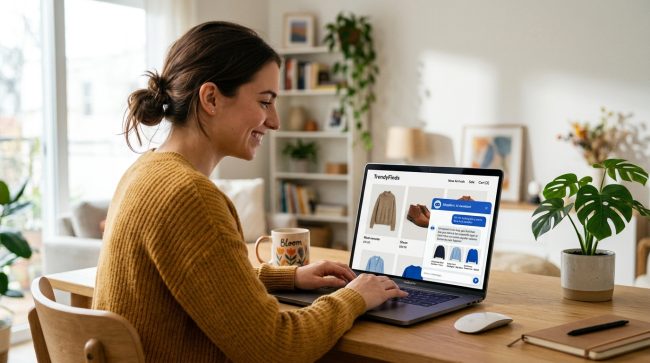
Shopping in 2026 is more personalized than ever.
AI engines continuously refine recommendations based on:
- User preferences
- Previous purchases
- Browsing behavior
- Product reviews
- Similar consumer profiles
This creates highly relevant shopping journeys.
Smart Search Experiences
Consumers increasingly search using natural language:
Instead of:
“Women’s dress”
They ask:
“Elegant summer dress for a beach wedding under $150.”
AI understands context and intent far better than traditional search systems.
Conversational Commerce
Chatbots have evolved into intelligent shopping assistants.
They can:
- Recommend products
- Answer questions
- Compare alternatives
- Track orders
- Provide styling advice
This reduces friction throughout the purchasing journey.
AI and Home Design Trends
Interior design is undergoing a digital transformation.
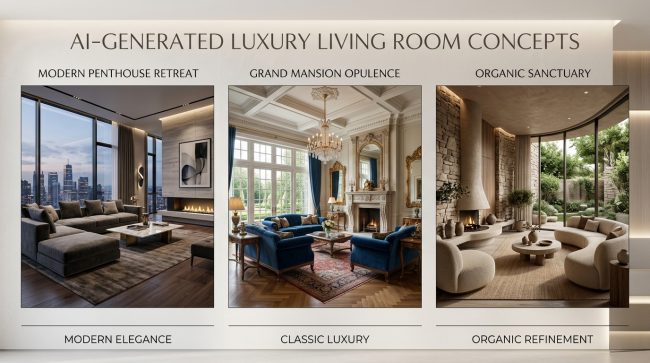
AI Room Visualization
Consumers can upload photos of rooms and receive:
- Furniture recommendations
- Color palette suggestions
- Layout improvements
- Lighting ideas
- Decor inspirations
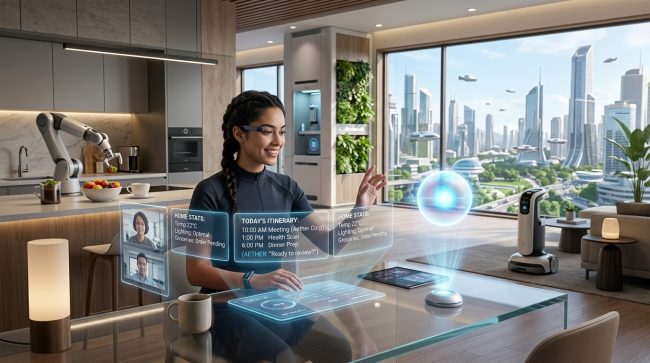
Smart Home Personalization
AI-powered homes now adjust:
- Lighting
- Temperature
- Music
- Security settings
- Energy consumption
based on user behavior patterns.
This enhances comfort while reducing energy costs.
Interior Design Planning
Homeowners can experiment with different styles:
Popular AI-Assisted Design Styles
- Scandinavian
- Modern Luxury
- Minimalist
- Industrial
- Bohemian
- Contemporary
Consumers visualize results before investing in expensive renovations.
AI in Health, Wellness, and Fitness
Wellness has become one of the largest lifestyle categories influenced by artificial intelligence.
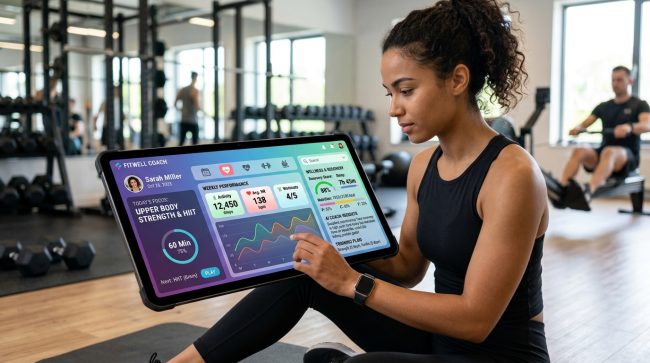
Personalized Fitness Coaching
AI fitness applications now provide:
- Customized workout plans
- Form analysis
- Injury prevention guidance
- Progress tracking
- Recovery recommendations
These features rival many traditional coaching services.
Nutrition Recommendations
AI can analyze:
- Dietary preferences
- Health objectives
- Allergies
- Activity levels
- Nutritional deficiencies
to create personalized meal plans.
Mental Wellness Support
AI-powered wellness platforms offer:
- Guided meditation
- Stress management
- Sleep improvement programs
- Mood tracking
- Mindfulness exercises
While not replacements for healthcare professionals, they provide valuable support for everyday wellness management.
Social Media Influencers vs AI Influencers
A surprising trend in 2026 is the growth of AI-generated influencers.
These digital personalities:
- Produce content 24/7
- Maintain consistent branding
- Collaborate with major brands
- Generate substantial engagement
Why Brands Use AI Influencers
Benefits
- Complete creative control
- No scheduling conflicts
- Lower operational costs
- Global scalability
- Consistent messaging
Human Influencers Still Matter
Despite AI growth, consumers continue to value:
- Authentic experiences
- Personal stories
- Emotional connection
- Human expertise
The future likely involves collaboration between human creators and AI tools rather than direct replacement.
Sustainability Through Artificial Intelligence
Sustainability remains a major priority for consumers.
AI is helping brands reduce environmental impact through smarter operations.
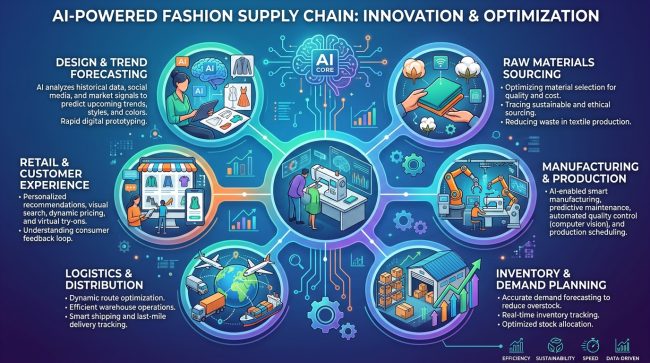
Inventory Optimization
Overproduction is a major challenge in fashion.
AI forecasts demand more accurately, helping companies produce only what consumers are likely to purchase.
Benefits include:
- Less waste
- Reduced storage costs
- Improved profitability
Supply Chain Efficiency
AI helps businesses:
- Optimize logistics
- Reduce transportation emissions
- Improve sourcing decisions
- Monitor sustainability goals
Circular Fashion
AI supports:
- Resale platforms
- Rental services
- Product authentication
- Recycling initiatives
These innovations extend product life cycles and reduce waste.
Consumer Privacy and Ethical Concerns
Despite numerous advantages, AI introduces important challenges.
Data Privacy
Consumers increasingly share:
- Photos
- Shopping preferences
- Beauty information
- Behavioral data
Brands must ensure:
- Transparency
- Security
- Responsible data use
Algorithmic Bias
Poorly trained AI systems may produce biased recommendations.
Companies must prioritize:
- Diverse datasets
- Ethical development
- Fair representation
Authenticity Concerns
Consumers sometimes struggle to distinguish between:
- Human-generated content
- AI-generated content
Clear disclosure policies are becoming increasingly important.
Expert Opinions on AI and Lifestyle Industries
Technology Experts
Many industry analysts believe AI will become an invisible layer integrated into most consumer experiences.
Rather than standalone tools, AI will operate seamlessly behind everyday products and services.
Fashion Industry Perspective
Fashion leaders increasingly view AI as an enhancement tool rather than a replacement for creativity.
Human designers continue to define aesthetics while AI supports:
- Research
- Forecasting
- Personalization
- Operational efficiency
Beauty Professionals
Beauty experts emphasize that AI can improve product recommendations and consultations but cannot fully replace professional expertise and personalized treatment.
The strongest outcomes emerge when technology complements human guidance.
Key Statistics About AI in 2026
| Metric | Estimate |
|---|---|
| Consumers Using AI Shopping Recommendations | 70%+ |
| Retailers Investing in AI Personalization | 80%+ |
| Consumers Using Virtual Product Try-On Tools | 60%+ |
| Businesses Using AI for Trend Forecasting | 65%+ |
| Companies Implementing AI Customer Service Solutions | 75%+ |
| Consumers Using AI Wellness Applications | 50%+ |
Figures compiled from industry trend reports, retail surveys, technology research publications, and market analyses available through 2025–2026.
Future Predictions: What Will Happen by 2030?
Experts anticipate several developments:
AI Fashion Assistants Become Standard
Every major retailer may offer personalized styling assistance.
Fully Customized Beauty Products
Consumers could receive skincare and cosmetics formulated specifically for their biological profiles.
AI-Powered Smart Homes
Homes may proactively optimize comfort, energy use, and daily routines.
Predictive Shopping
Retailers may anticipate needs before consumers actively search for products.
Digital Twins
Consumers may maintain virtual versions of themselves for trying clothing, cosmetics, and lifestyle products online.
Frequently Asked Questions
Is AI replacing fashion designers?
No. AI supports research, forecasting, personalization, and operational tasks, but human creativity remains essential for design innovation.
Can AI accurately recommend skincare products?
Modern AI systems can provide useful recommendations based on skin analysis and user data, though professional dermatological advice remains important for serious skin concerns.
Are virtual try-ons accurate?
Accuracy has improved significantly in recent years, though results may vary depending on technology quality and product category.
Will AI influencers replace human influencers?
Unlikely. Human authenticity and emotional connection remain highly valuable. Both are expected to coexist.
Is AI shopping safe?
Generally yes, provided users shop through reputable platforms with strong privacy protections and transparent data policies.
How does AI help sustainability?
AI improves demand forecasting, inventory management, logistics planning, and recycling initiatives, reducing waste across industries.
Conclusion
Artificial intelligence is fundamentally reshaping fashion, beauty, and lifestyle trends in 2026. From personalized styling and skincare recommendations to intelligent shopping experiences and sustainable production systems, AI is influencing nearly every aspect of modern consumer behavior.
The most successful brands are not replacing human creativity with technology; they are combining both to deliver more personalized, efficient, and meaningful experiences. Consumers benefit from convenience, customization, and smarter decision-making, while businesses gain valuable insights and operational advantages.
As AI continues to evolve, the line between digital intelligence and everyday lifestyle experiences will become increasingly seamless. Those who embrace these innovations responsibly will be best positioned to thrive in the next era of fashion, beauty, and lifestyle transformation.

Akif is the founder and editor of Sizzling Magazine, a women’s lifestyle magazine covering beauty, fashion, travel, food, and wellness. Publishing since 2012, he curates practical skincare routines, honest beauty advice, and wearable fashion trends for real women — with a soft spot for old-school home remedies that actually work. Sizzling Magazine is where grandma’s beauty wisdom meets modern trends.



Leave a Reply