


Introduction
Korean beauty has a habit of setting the agenda for the rest of the world, and 2026 is no exception. The famous ten step routine is giving way to something calmer: fewer products, stronger skin barriers, and technology that helps you choose instead of guess. Some of this year’s trends are gentle updates to ideas you may already know, like glass skin and fermented essences. Others, like salmon DNA serums and AI skin scans, are genuinely new and deserve a clear eyed look before you spend money on them. Below are the ten trends shaping routines this year, what each one involves, and who it suits best. You do not need all ten. Borrow the one or two ideas that match your skin and leave the rest.
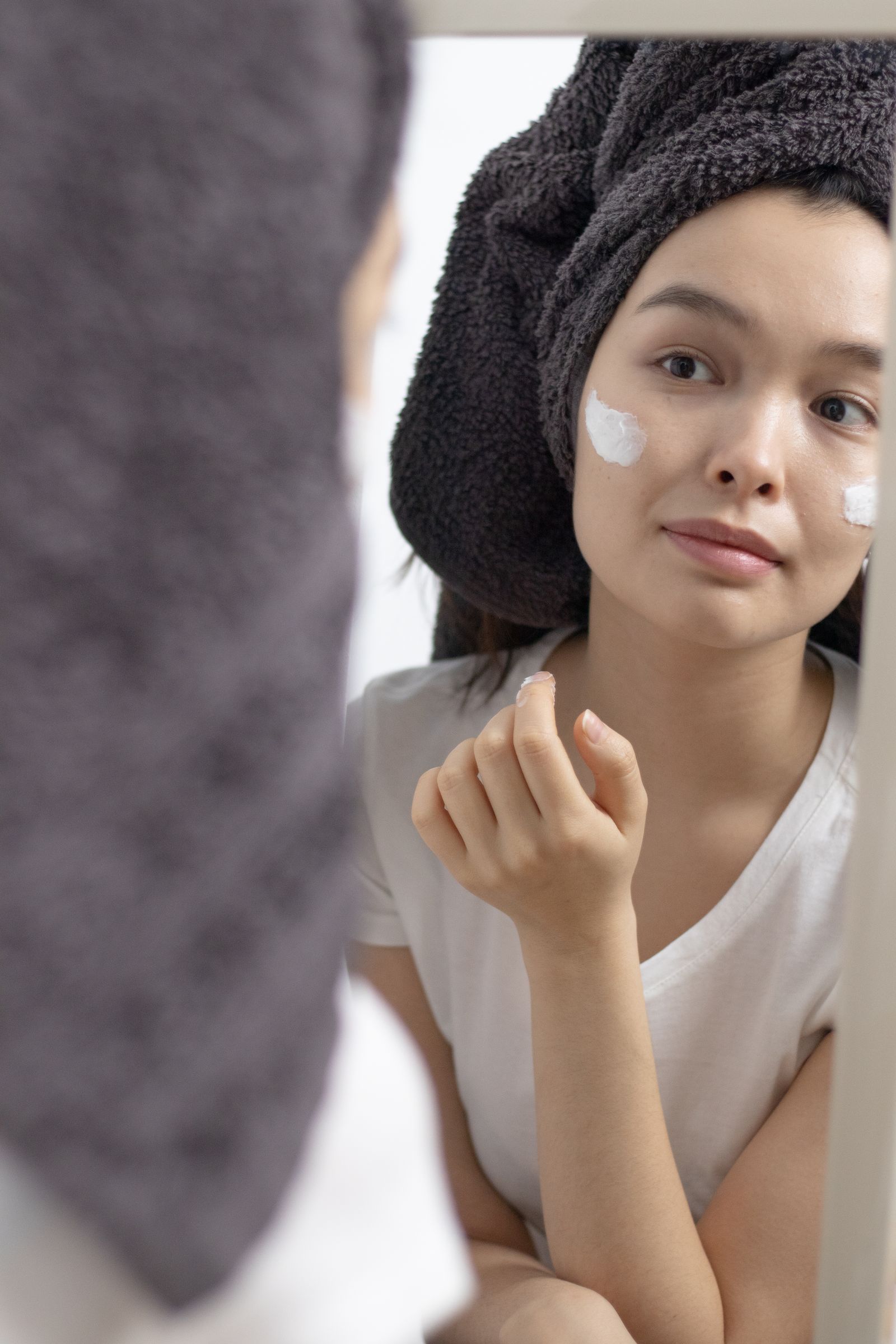
1. Glass Skin 2.0: A Natural Glow Instead of a Shine
Glass skin is still the look everyone asks about, but the 2026 version is softer. Instead of skin that looks wet or heavily layered, the goal now is a smooth, well hydrated surface that reflects light evenly, the way healthy skin does on a good day. The routine behind it is simple: a gentle cleanser, a hydrating toner or essence patted on in thin layers, a moisturizer that seals everything in, and sunscreen in the morning. Ingredients that appear again and again are hyaluronic acid for hydration, ceramides to support the barrier, and rice extract, a longtime staple in Korean formulas. This trend suits almost everyone, especially dry and combination skin. If your skin is oily, keep the layers thin and skip rich creams during the day. Makeup also sits more smoothly over hydrated skin, which is why this trend pairs naturally with the lighter base techniques in our guide to the best makeup for mature skin.
2. Skin Cycling Replaces the 10 Step Routine
Skin cycling is a weekly pattern that rotates your active products so your skin gets rest days between treatments. A common four night cycle looks like this:
- Night 1: gentle exfoliation, then moisturizer
- Night 2: a retinoid, then moisturizer
- Nights 3 and 4: recovery, with cleanser and moisturizer only
On exfoliation night you might use a mild chemical exfoliant after cleansing. On the retinoid night you apply a pea sized amount of retinoid to dry skin. The recovery nights are the point of the whole system: they give your barrier time to settle, which is where many people go wrong by using strong actives every night. Skin cycling suits women who already own an exfoliant or a retinoid and want a structure that prevents overuse. If your skin is sensitive or reactive, stretch the cycle with extra recovery nights and introduce only one active at a time. Retinoid products are not recommended during pregnancy, so leave that step out and check with your doctor if you are unsure.
3. Salmon DNA (PDRN) Serums Are Everywhere
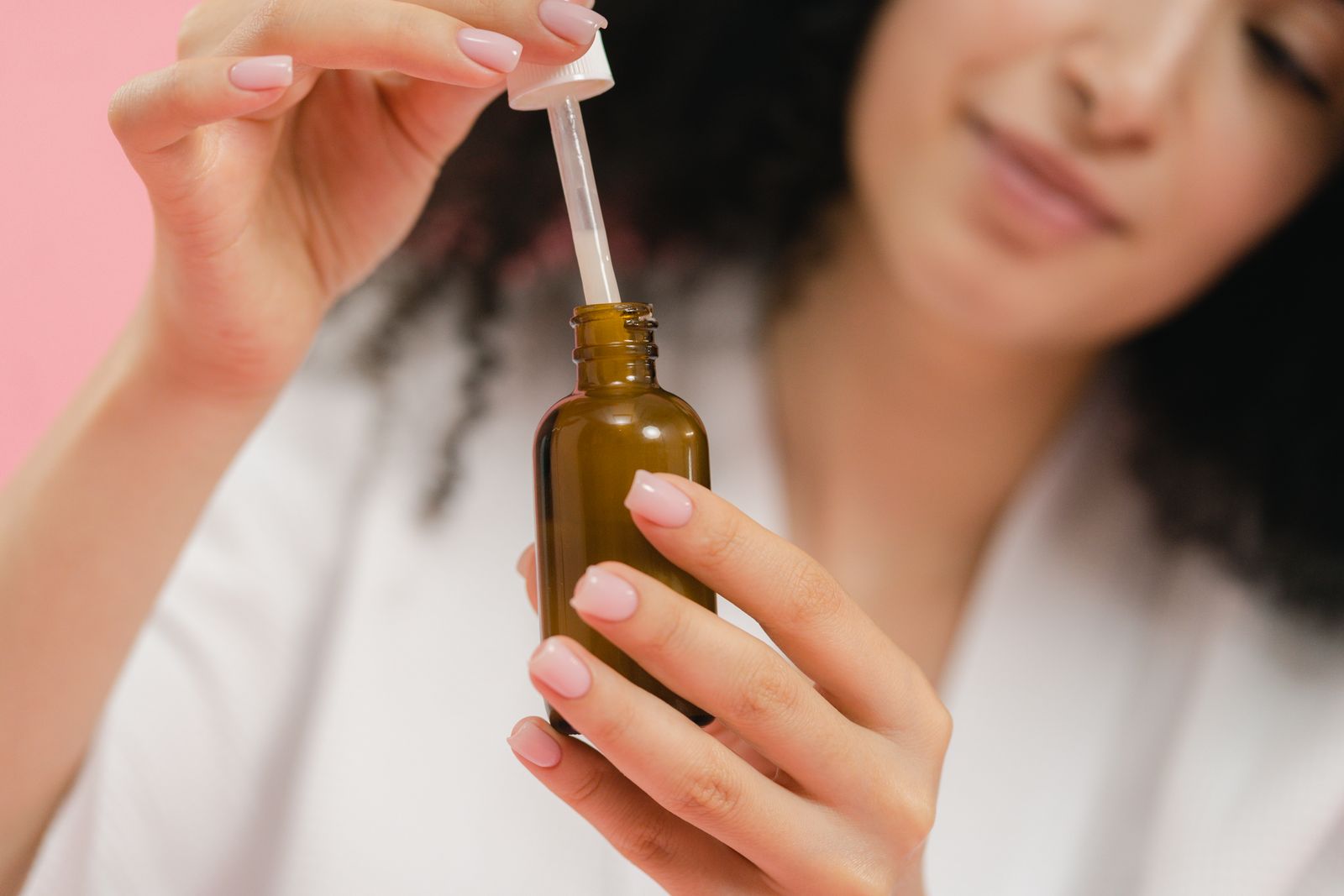
One of the most talked about Korean ingredients of 2026 is PDRN, short for polydeoxyribonucleotide, an extract derived from salmon DNA. In Korea it is best known from clinic treatments, and it has now moved into serums and creams for home use, usually with claims about elasticity, fine lines and skin repair.
It is worth knowing what the research actually covers. Most clinical studies of PDRN involve injections given in clinics. A 2025 systematic review in the Journal of Cosmetic Dermatology looked at nine studies with 219 patients and found improvements in wrinkles, texture and elasticity after polynucleotide injections, but rated the evidence low to moderate quality. PDRN also has a longer track record in wound care, such as diabetic foot ulcers, than in cosmetics.
Evidence for PDRN in creams and serums is still limited and depends on the formula. Whether a topical product delivers a meaningful amount through the skin has not been established. If you try one, patch test first, apply it like any serum after cleansing and toning, and judge it after several weeks rather than days.
Sources: Lampridou et al., The Effectiveness of Polynucleotides in Esthetic Medicine: A Systematic Review, Journal of Cosmetic Dermatology, 2025; Squadrito et al., Pharmacological Activity and Clinical Use of PDRN, Frontiers in Pharmacology, 2017.
4. AI Skin Analysis and Personalized Routines
Many Korean brands now offer AI skin analysis through an app or an in store device. You take a photo, sometimes answer a few questions, and the tool estimates things like hydration, visible pigmentation, fine lines and pore appearance, then suggests products matched to the results. Used well, this can be a helpful starting point if you feel overwhelmed by choice. Treat the results as guidance rather than a diagnosis. Lighting, camera quality and makeup all change what the tool sees, and an app cannot assess medical skin conditions. If a scan flags something that worries you, or you notice a spot or patch that is changing, a dermatologist is the right next step, not a product recommendation.
5. Barrier Repair Comes Before Brightening
A few years ago, brightening products led Korean beauty. In 2026 the priority has flipped: a strong skin barrier comes first, and glow is treated as a side effect of healthy skin. The barrier is the outer layer that keeps water in and irritants out, and when it is damaged, skin often feels tight or reactive no matter what you apply. Barrier focused formulas lean on a familiar set of ingredients:
- Ceramides
- Centella asiatica, often called cica
- Panthenol
- Mugwort
In a routine, this trend means choosing a gentle cleanser, moisturizing consistently, and pausing strong actives when your skin feels irritated. It suits everyone, and it is the first trend to adopt if your skin has become sensitive from over exfoliating or layering too many new products at once.
6. Jelly Textures for Lightweight Hydration
Jelly cleansers, jelly moisturizers and gel cream serums are the texture of the moment in Korean skincare. They feel cool and light, spread easily, and absorb without the heavy finish of a rich cream, which makes them easy to wear in warm weather. In a routine, a jelly moisturizer works well as a daytime step under sunscreen, or as a lighter evening option when a cream feels like too much. These textures suit oily and combination skin best. If your skin is very dry, a jelly formula on its own may not be enough in winter, so layer it under a cream or keep it for mornings only.
7. Sunscreen, Applied Properly and Reapplied
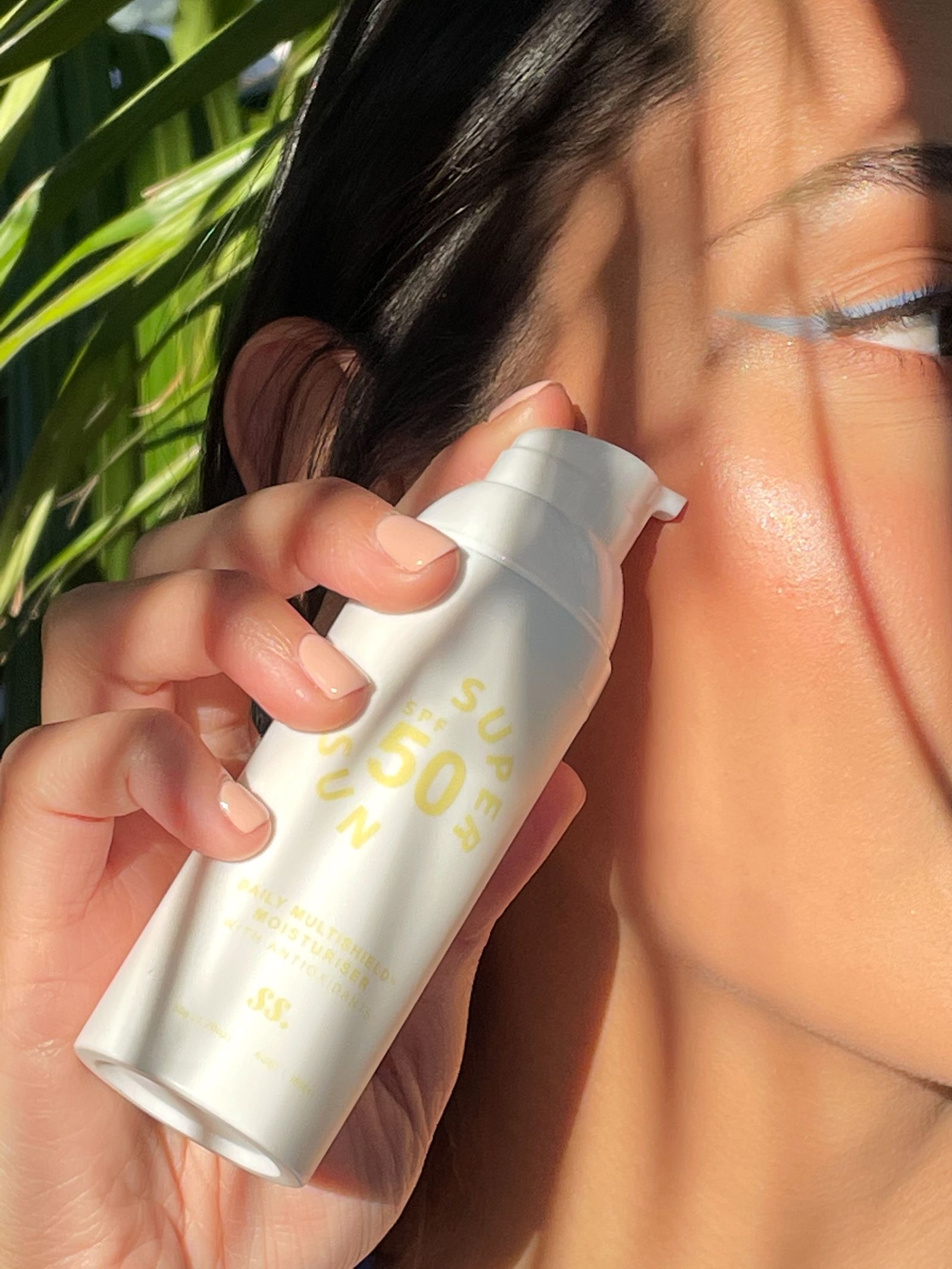
Korean sunscreens are loved for their comfortable, cosmetic textures, and the 2026 conversation is less about the product and more about the habit. Two points matter most. First, use enough: most people apply far less than the amount sunscreen is tested with, so a useful guide is roughly two finger lengths of product for the face. Applying it in two thinner passes helps many people reach that amount evenly. Second, reapply during the day if you are outdoors, sweating or swimming. SPF sticks and cushion formats are popular in Korea because they make reapplication over makeup easier. Layering two different sunscreens does not add their SPF numbers together, so choose one you like at SPF 30 or higher and apply it well. This trend suits every skin type, every day.
8. Fermented Ingredients Stay at the Center
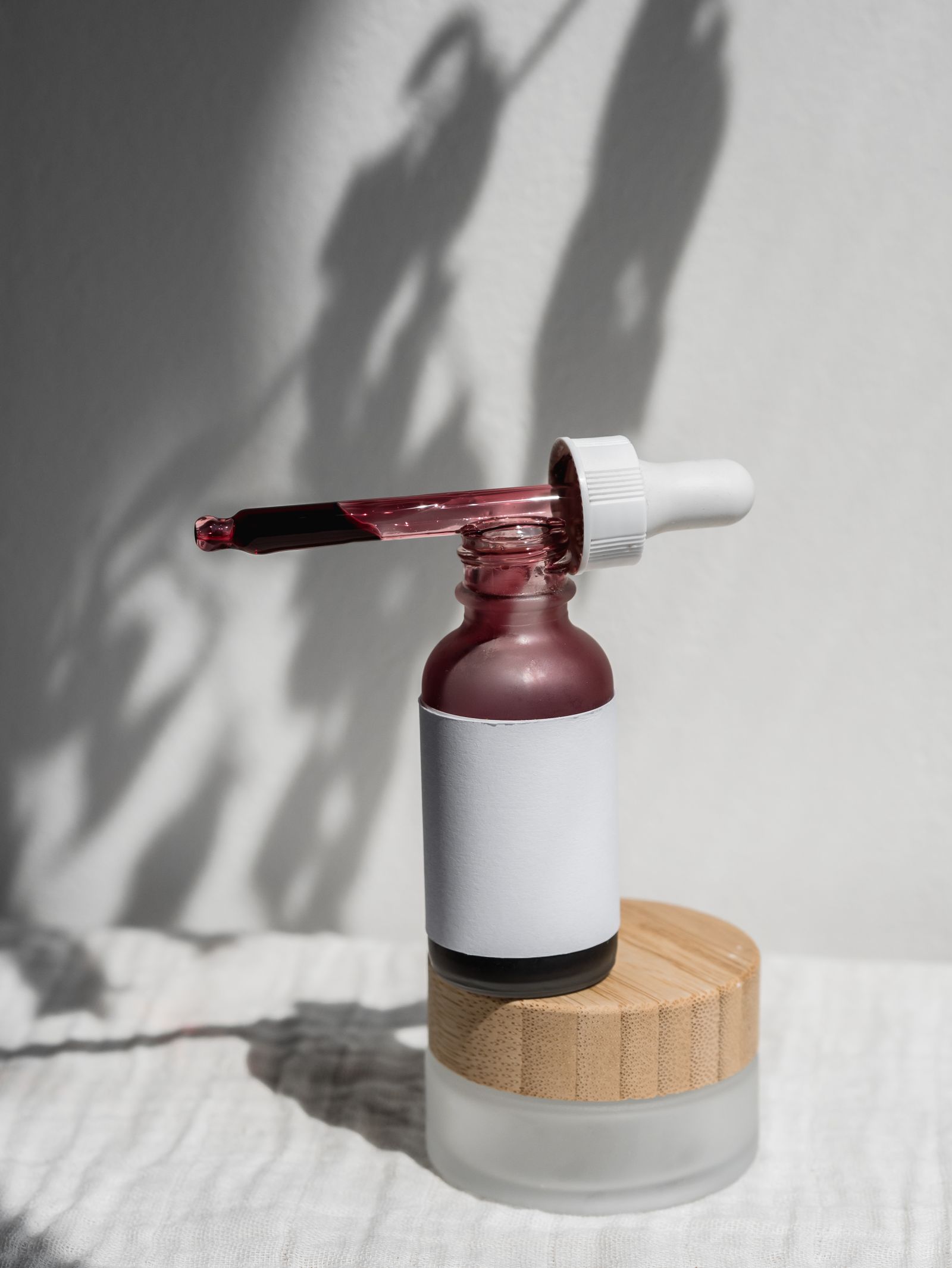
Fermentation has been part of Korean skincare for decades, and it is not going anywhere. Fermented essences and toners are made by breaking ingredients down with yeast or bacteria, which produces smaller molecules and byproducts such as amino acids. Fans use them as the first step after cleansing, to add light hydration before the products that follow. Common examples include:
- Fermented rice water
- Galactomyces ferment filtrate
- Fermented soybean extract
These products suit most skin types and slot into almost any routine. If your skin is very sensitive, introduce one fermented product at a time and patch test first, since even gentle formulas can disagree with individual skin.
9. Lip Care Becomes a Routine of Its Own
Lips have moved out of the handbag and into the evening routine. Overnight lip masks, peptide lip treatments and tinted lip oils are among the most shared Korean beauty products this year, built around a simple fact: lips have thin skin and no oil glands, so they dry out faster than the rest of the face. A basic lip routine is short. Use a balm with occlusive ingredients during the day, apply a thicker mask at night, and avoid licking your lips, which makes dryness worse. Gentle exfoliation once or twice a week is enough, since daily scrubbing irritates. If you are choosing between formats, our comparison of lip oil vs lip balm vs lip mask explains what each one does and when to use it. This trend suits everyone, especially if you wear matte lipstick often.
10. Beauty From Within: Sleep, Food and Supplements
The last trend is less about products. Korean beauty culture increasingly treats skin as part of overall health, which is why collagen drinks, probiotic skincare and beauty supplements fill so much shelf space. The honest picture is mixed. Sleep, a balanced diet, not smoking and managing stress all have well established links to how skin looks and heals. Evidence for individual beauty supplements is much thinner and varies by product, and a supplement is not a substitute for the basics or for medical care. If you enjoy a collagen drink, treat it as a small extra rather than the main event, and check with your doctor before starting supplements if you take medication or have a health condition.
How to Start Without Overhauling Your Routine
You do not need a new shelf of products to try these trends. A sensible way in looks like this:
- Pick one trend that matches your main concern, for example barrier repair for sensitive skin, or skin cycling if you already own active products.
- Add one new product at a time and use it for at least two to three weeks before judging it.
- Patch test new products on a small area, such as behind the ear or along the jaw, for a few days before using them on your whole face.
- Keep your cleanser, moisturizer and sunscreen steady while you experiment, so you can tell what is helping.
- Stop and simplify if your skin starts stinging, flaking or breaking out in a new pattern. Irritation is information, not something to push through.
If you want a ready made structure to build on, our guide to the best skincare routine for women over 40 lays out a simple morning and evening framework that most of these trends fit into. If your skin is sensitive or reactive, go slowly with every change, and check with a dermatologist before starting actives such as retinoids or strong exfoliants.
Frequently Asked Questions
Do I need a 10 step routine to follow Korean skincare trends?
No. Most of the 2026 trends move away from long routines. A cleanser, a moisturizer and a sunscreen, plus one targeted product for your main concern, covers the thinking behind nearly everything on this list.
Can I try skin cycling if I have sensitive skin?
Yes, with adjustments. Use a longer cycle with extra recovery nights, introduce only one active product, and patch test before you begin. If your skin stings or flakes persistently, stop the actives and simplify.
Are salmon DNA serums worth buying?
That depends on your expectations and budget. The clinic research behind PDRN is mostly about injections and is still early, and evidence for home serums is limited. If you enjoy trying new ingredients, patch test and judge the product over several weeks. It is an optional extra, not a must have.
Which trend should a beginner start with?
Barrier repair and proper sunscreen use. Both are low cost, low risk and suitable for almost everyone, and they make every other product work the way it is supposed to. Add trendier steps later, one at a time.

Akif is the founder and editor of Sizzling Magazine, a women’s lifestyle magazine covering beauty, fashion, travel, food, and wellness. Publishing since 2012, he curates practical skincare routines, honest beauty advice, and wearable fashion trends for real women — with a soft spot for old-school home remedies that actually work. Sizzling Magazine is where grandma’s beauty wisdom meets modern trends.



Leave a Reply