

Perfume layering has become one of the most talked about beauty habits of 2026. Instead of wearing a single fragrance, more women are combining scented products to build a scent that feels personal, polished and expensive. The idea is simple. You stack compatible scents, from your shower gel to your final spray, so they support each other instead of competing. Done well, layering adds depth, helps your fragrance hold up through the day, and lets you create combinations nobody else is wearing. You do not need a shelf of luxury bottles to do it. You need a little structure, a few safe pairings and the patience to test on your own skin. This guide walks through all of it.
What Is Perfume Layering?
Perfume layering means wearing more than one scented product at a time so the scents blend into one overall impression. The layers can come from different product types:
- Scented body wash
- Body lotion or body butter
- Perfume oil
- Eau de parfum or eau de toilette
- Hair mist
Each product adds a slightly different strength and texture. Oils sit close to the skin, lotions soften and round out a scent, and a sprayed perfume gives the blend its lift. The goal is not to smell like three perfumes at once. The goal is one coherent scent with more depth and better staying power than a single product gives you on its own.

How Perfume Layering Works
Every fragrance is built in layers of its own. Top notes are the bright first impression, often citrus or light fruits, and they fade the fastest. Heart notes, usually florals, spices or fruits, form the character of the scent. Base notes such as vanilla, musk, woods and resins linger the longest and anchor everything above them.
When you layer two fragrances, you are really merging two sets of notes. The blend works when the base notes agree and the brighter notes do not fight. That is why a soft vanilla pairs easily with so many scents: it sits in the base, adds warmth, and lets the other fragrance keep its personality. It is also why two loud, complex perfumes often clash. Each one is trying to lead. A good rule is to let one fragrance be the star and use the second as support, the way you would pair a statement piece with simple basics in an outfit.
Start With Moisturized Skin
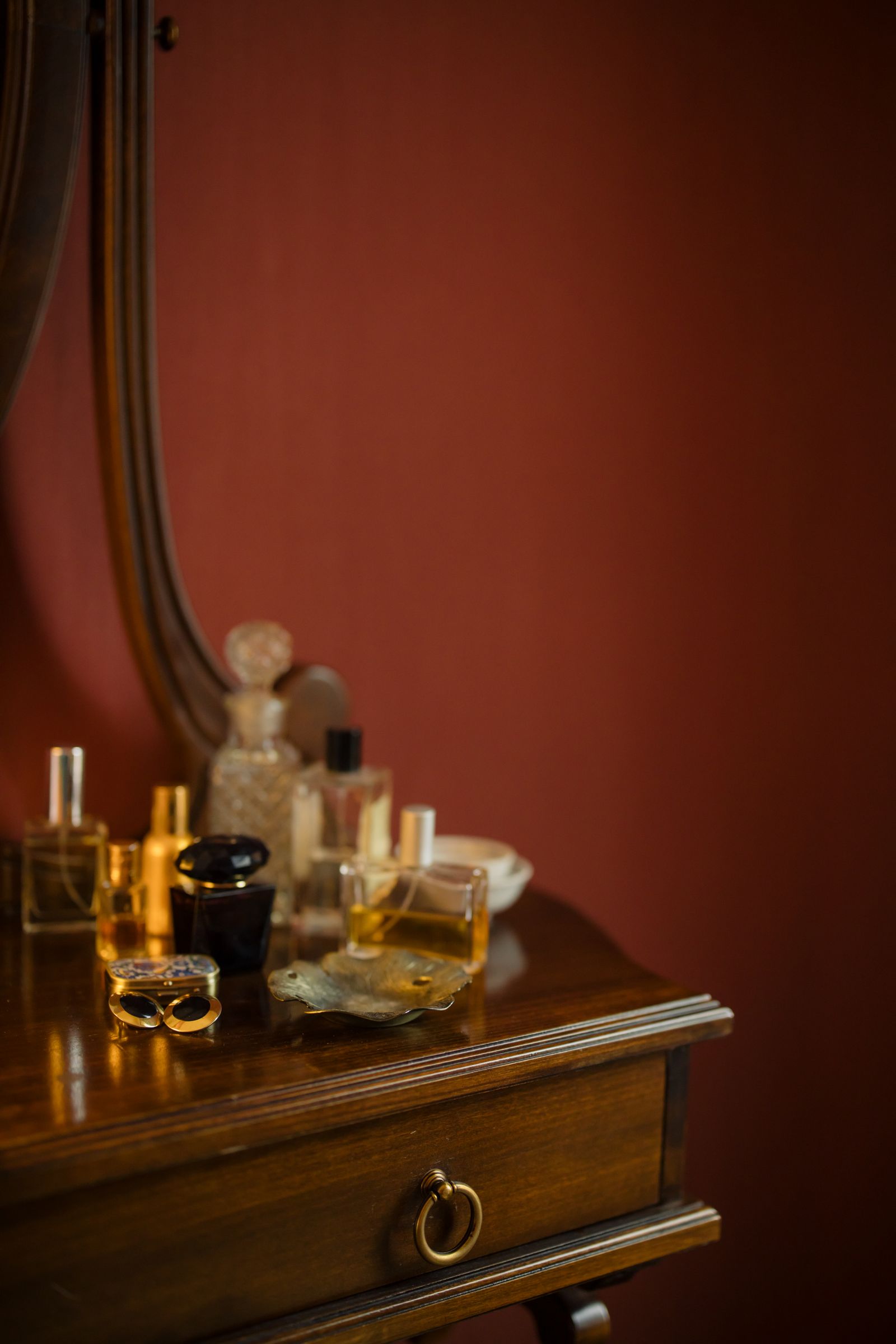
Fragrance tends to fade faster on dry skin, so the base matters. After a shower, apply moisturizer while your skin is still slightly damp. You have three good options: an unscented moisturizer when you want the perfume to stay true, a scented lotion that matches or complements your fragrance when you want extra depth, or a light body oil when your skin is very dry. Give the moisturizer a minute or two to settle before spraying. Skin that is hydrated and comfortable holds scent more evenly, and your layers will blend instead of sliding around on top of each other.
Layering With Body Lotions and Oils
Lotions and oils are the quiet workhorses of layering. A vanilla or musk scented lotion under a floral perfume softens the flowers and adds a warm base. A citrus body lotion under a woody fragrance keeps the whole blend feeling fresh. Perfume oils work differently. They are concentrated and usually alcohol free, and they wear close to the skin, so they make an excellent anchor layer under a spray. Apply the oil first, on pulse points, then mist your eau de parfum over or around the same areas. One caution: a very rich, heavily scented oil can overpower a delicate spray. If an oil is strong, use a small amount and let the spray do the talking.
The Right Order of Application
Order matters because each layer sets up the next. Follow the same sequence the original version of this guide recommended, from the shower to the final spray:
Step 1: Scented body wash. It leaves a light base of scent and starts the theme of the day.
Step 2: Body lotion or oil. This locks in moisture and gives the fragrance something to hold on to.
Step 3: Perfume oil. Dab it on pulse points as a concentrated anchor.
Step 4: Eau de parfum. Mist it over the top as the finishing layer, the part other people notice first.
Wait a few breaths between layers so each one settles. If you are layering two spray perfumes, apply the heavier, deeper scent first and the lighter, brighter one second. Heavy notes sprayed last can bury a delicate fragrance completely.
Where to Apply: Pulse Points
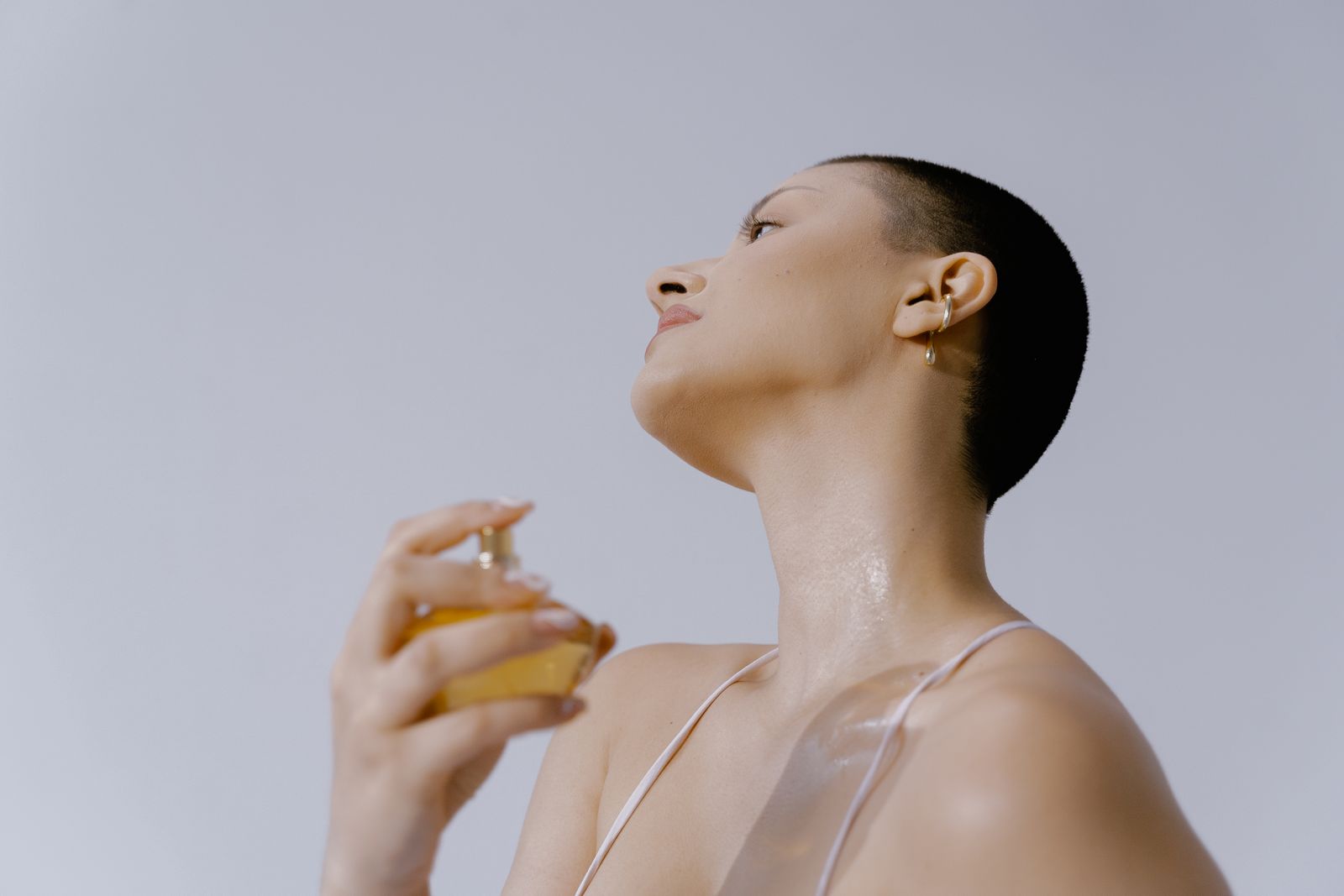
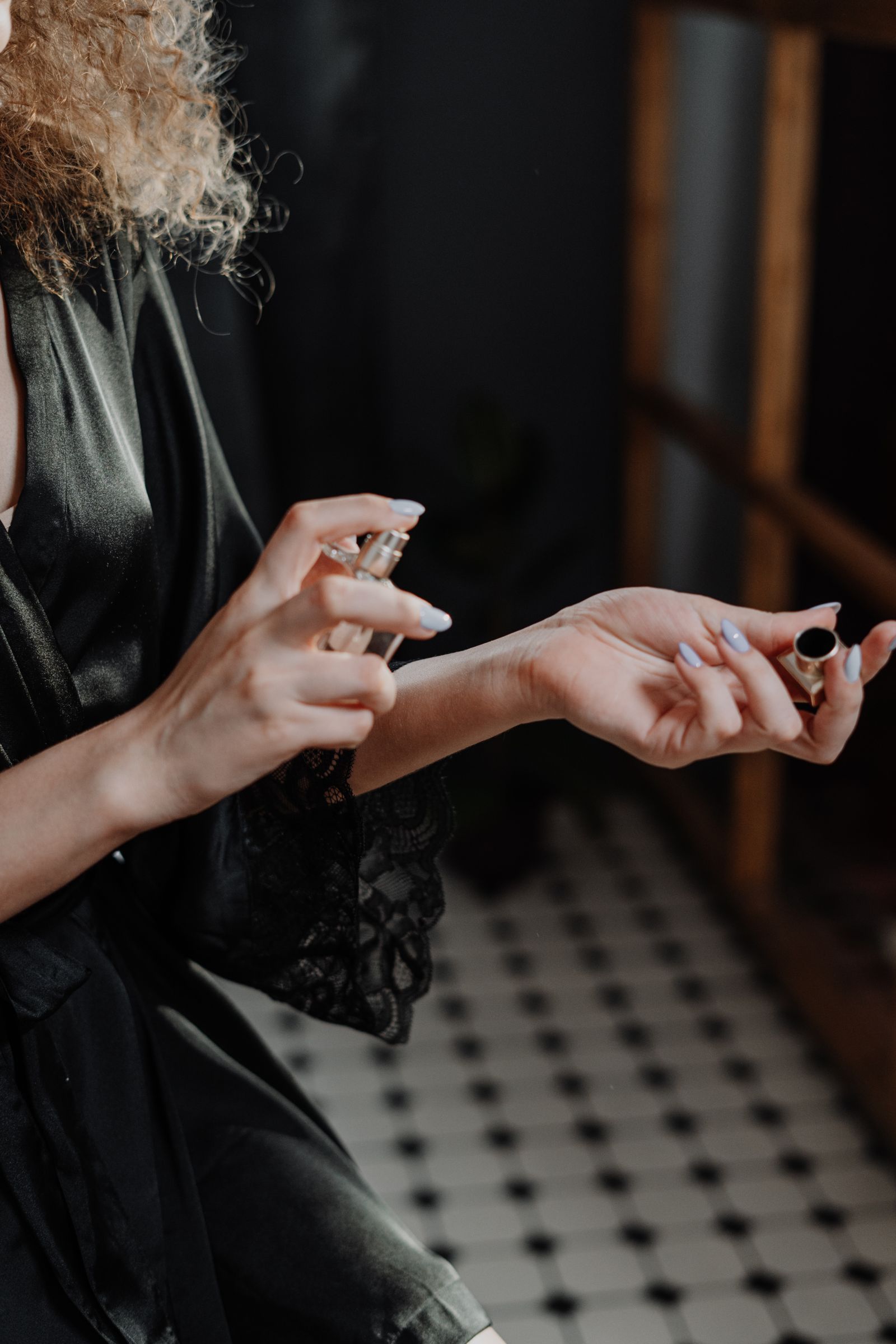
Pulse points are warm areas where blood flows close to the skin, and that gentle warmth helps a fragrance unfold and diffuse. The classic spots are the sides of the neck, the wrists, behind the ears and the collarbone. The inner elbows and the backs of the knees work well too, especially under clothing. Spray from a short distance, one or two mists per spot, and resist the urge to douse. With layering, every product adds up, so a lighter hand keeps the blend elegant instead of overwhelming. A dedicated hair mist can finish the look, since hair holds scent well, but keep regular alcohol based perfume sprays off your hair, because the alcohol can dry it out. Use products made for hair instead.
Safe Combinations by Note Family
Start with pairings that share a note or sit in friendly families. These combinations are a reliable place to begin:
- Vanilla and oud: warm, rich and luxurious, a pairing long associated with Middle Eastern perfumery.
- Rose and musk: soft, clean and elegant, ideal when you want a polished feminine blend.
- Citrus and woody notes: fresh on top with a steady base, an easy daytime combination.
- Coconut and vanilla: creamy and relaxed, a popular summer pairing.
Beyond these, a few family rules help. Gourmand notes such as vanilla, amber and caramel pair well with spices and woods. White florals become softer over a musk base. Citrus brightens almost any floral. When in doubt, layer within one family, or give two scents one shared note, such as vanilla in both, and the blend will usually feel intentional.
Combinations to Avoid
Some blends fight no matter how carefully you apply them. Two heavy, resinous orientals layered together can turn dense and muddy. A sharp green or aquatic scent over a sweet gourmand often reads as sour. Strong white florals plus a heavy vanilla can become cloying in warm weather. And layering two statement perfumes, each with a big personality, usually ends with both of them losing. If a combination smells off in the first few minutes, do not wait for it to improve. Clashes in the base notes rarely settle into something pleasant. Wash the spot, and try again another day with one of the scents in a supporting role instead.
Making Your Own Signature Blend
A signature blend is simply a combination you return to because it feels like you. Build one slowly. Pick a base you love, often a vanilla, musk or woody scent, then test one partner at a time on your skin rather than on paper, because skin changes everything. Keep brief notes on your phone: the pairing, the order you applied it, and how it wore through the day. Our guide to the best vanilla perfumes is a good place to find a base worth building on, and our roundup of the best new perfumes can help you spot a second scent to test. Change one thing at a time, give each test a full day, and within a few weeks you will have two or three combinations that are unmistakably yours.
What Is Trending in Fragrance Right Now
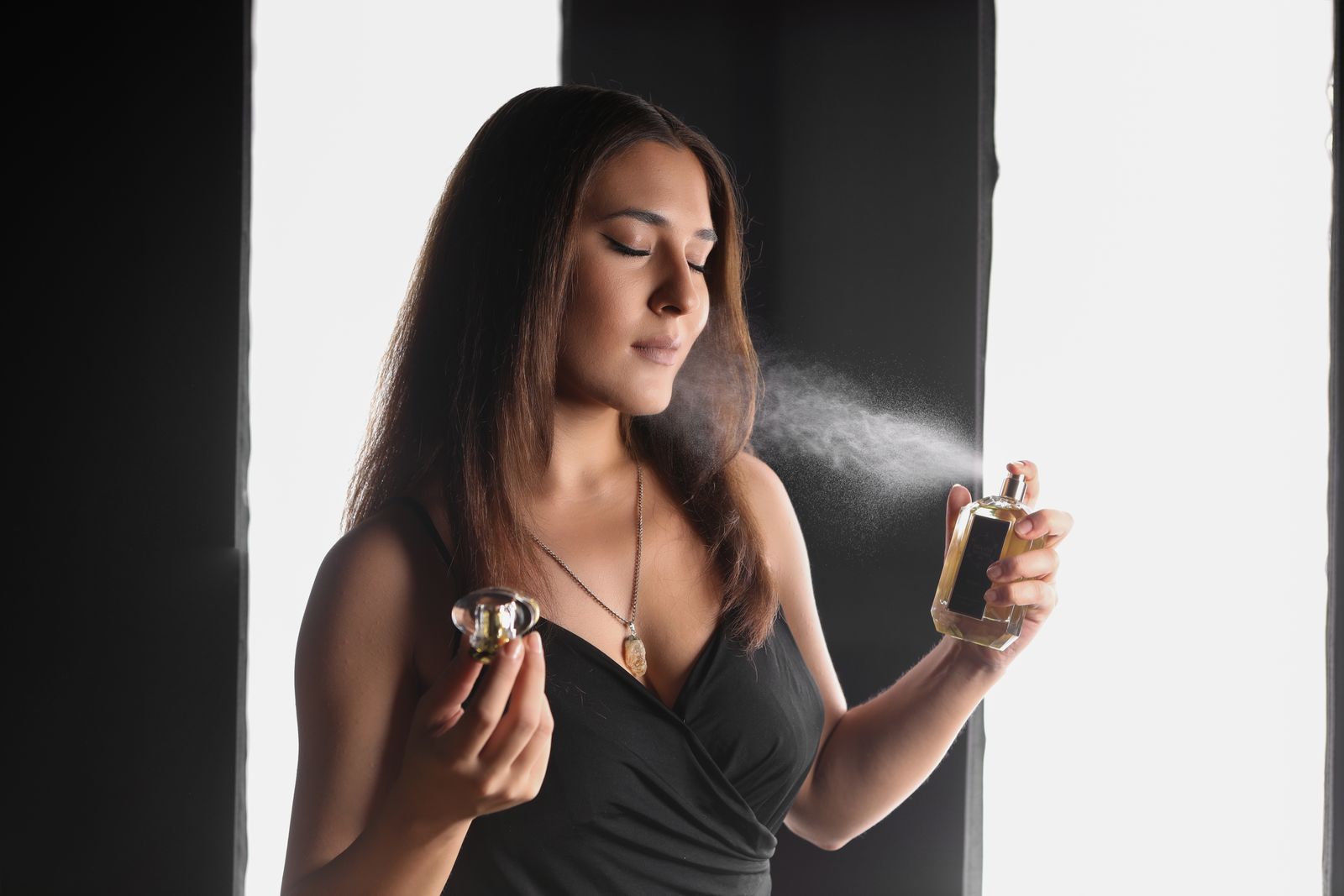
The layering habit sits inside a bigger shift. Skin scents that stay close and personal, clean and soapy profiles, Arabic oud fragrances, vanilla in every form, and unisex luxury scents are all having a moment, and niche houses are drawing more attention than celebrity launches. Layering fits the mood perfectly, because it treats fragrance as something you compose rather than something you simply buy.
Common Layering Mistakes
- Mixing too many notes. Three or more strong scents at once usually turns muddy. Two layers, three at most, is plenty.
- Spraying too much. Luxury fragrance should feel subtle, not overpowering. With layers adding up, fewer sprays than usual is the right call.
- Ignoring the season. Fresh citrus blends suit summer, while oud and vanilla feel at home in winter. Match the weight of the blend to the weather.
- Rubbing your wrists together. This common habit crushes the bright top notes and can dull the blend. Spray, then let everything dry down naturally.
- Testing on paper only. A blotter cannot tell you how a blend behaves on warm skin, so always do a skin test before committing to a combination.
Frequently Asked Questions
How many fragrances can I layer at once?
Two is the sweet spot for most people. A third layer works when it is a quiet base, such as a musk scented lotion or a simple perfume oil.
Do layered perfumes have to come from the same brand?
No. Scents from different houses blend well when they share a note or sit in compatible families. Matching the family matters more than matching the label.
Can layering help a perfume last longer?
It can help. Moisturized skin, an oil anchor and base notes such as vanilla, musk or woods all support a longer, steadier wear than a single spray on dry skin.
What should I do if my combination smells bad?
It happens to everyone who experiments. Wash the area with soap and water, and next time swap the order or let one of the scents play a smaller supporting role.
Can I layer with a scented lotion only?
Yes, and it is the easiest place to start. A matching or softly scented lotion under your usual perfume adds depth with almost no risk of a clash.
Final Thoughts
Perfume layering is one of the easiest ways to smell luxurious and completely individual in 2026. Start with moisturized skin, build in the right order, lean on safe pairings, and keep your blends simple. The secret to smelling expensive is not always the most expensive bottle on the shelf. It is knowing how to wear fragrance well. The same thinking runs through the rest of a smart beauty routine, which is why our guide to budget makeup brands that look surprisingly luxury makes the matching point for your makeup bag: technique beats price tag, every time.

Akif is the founder and editor of Sizzling Magazine, a women’s lifestyle magazine covering beauty, fashion, travel, food, and wellness. Publishing since 2012, he curates practical skincare routines, honest beauty advice, and wearable fashion trends for real women — with a soft spot for old-school home remedies that actually work. Sizzling Magazine is where grandma’s beauty wisdom meets modern trends.



Leave a Reply